 EN

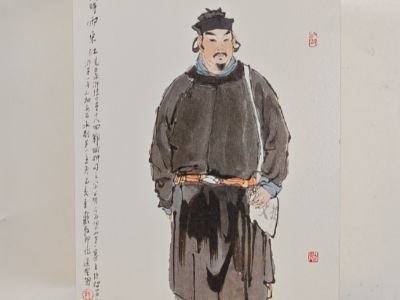
Collectible postcards serve as tangible reminders of cultural heritage, particularly when they capture the essence of Chinese heritage sites. For B2B buyers, such as purchasing managers and cultural project coordinators, understanding the quality, specifications, and practical applications of these postcards is crucial. This article will guide you through evaluating postcard quality, identifying key specifications for bulk orders, displaying them effectively, solving common issues, and exploring their applications in cultural projects.
How to Evaluate the Quality of Chinese Heritage Site Postcards?
When assessing the quality of collectible postcards, consider factors such as print resolution, color accuracy, and material durability. High-resolution images are essential for capturing the intricate details of heritage sites, ensuring the postcards are visually appealing and true to life. The choice of material plays a significant role; printable postcards made from high-quality cardstock or specialty papers will withstand handling and maintain their aesthetic over time.
Additionally, examine the finish of the postcards. A matte or glossy finish can enhance the visual appeal, but it should also be appropriate for the intended use. For example, glossy finishes may reflect light, which could detract from the image in certain viewing conditions. It’s advisable to request samples before placing bulk orders to confirm that the quality meets your expectations.
Key Specifications for Collectible Postcards in Bulk Orders
When ordering collectible postcards, several key specifications should be confirmed to ensure they meet your requirements:
Dimensions: Standard sizes include 4"x6", 5"x7", and custom sizes. Confirming the exact dimensions helps in designing packaging and ensures compatibility with display frames or holders.
Material: Select between options such as coated cardstock, uncoated paper, or recycled materials, depending on the desired look and environmental considerations. The weight of the cardstock (measured in GSM) can also affect durability and tactile quality.
Printing Method: Digital printing is common for short runs, while offset printing is more cost-effective for larger quantities. Discuss which method aligns with your volume and quality expectations.
Finishing Options: Options like UV coating, lamination, or embossing can add value and enhance durability. Ensure that these specifications are clearly outlined in your order to avoid surprises.
It’s crucial to establish your minimum order quantity (MOQ) at the outset, as this can vary based on the supplier's capabilities.
Installation Guidance for Displaying Collectible Postcards
Displaying collectible postcards effectively can enhance their appeal. Here are a few installation tips:
Frames: Use frames that complement the postcard's design and color scheme. Consider using shadow boxes for a three-dimensional effect, especially if the postcards feature intricate designs or textures.
Display Stands: If postcards are to be showcased in retail environments, acrylic or wooden display stands can provide stability and visibility. Ensure that the stands are appropriately sized for the personalized postcards.
Wall Mounting: For exhibitions or galleries, consider mounting postcards on walls using adhesive strips or clips that do not damage the postcards. This setup allows for easy rotation of displayed items.
Lighting: Proper lighting can enhance the visual impact. Avoid direct sunlight to prevent fading, and use soft LED lights to highlight the postcards without causing glare.
Before installation, ensure that the display method aligns with the context in which the postcards will be viewed, whether in retail, educational, or artistic settings.
Common Problems with Collectible Postcards and Their Solutions
Despite their appeal, collectible postcards can present challenges, often related to quality control or handling:
Color Fading: If postcards are exposed to direct sunlight or high humidity, colors may fade. To mitigate this, ensure that postcards are stored and displayed in controlled environments. Consider using UV-protective coatings during production.
Warping: Exposure to moisture can cause postcards to warp. Recommend that buyers store postcards in a dry environment and use protective sleeves if they are to be handled frequently.
Printing Errors: Occasionally, printing errors can occur, such as misalignment or color discrepancies. Always review proofs before mass production to catch any issues early on. A thorough inspection of the first batch can also help identify potential printing problems.
Providing clear handling instructions along with the postcards can help buyers maintain their quality over time.
Applications of Collectible Postcards in Cultural Projects
Collectible postcards can be utilized in various cultural projects, serving both educational and promotional purposes:
Educational Tools: Schools and cultural institutions can use postcards as teaching aids to introduce students to Chinese heritage sites. They can spark discussions about history, architecture, and art.
Promotional Materials: Businesses in the tourism sector can distribute postcards as promotional items, showcasing local heritage sites to attract visitors. They can also be included in welcome kits for tourists or as part of cultural events.
Fundraising: Non-profits can sell collectible postcards to raise funds for heritage conservation projects. This approach not only generates revenue but also raises awareness about the importance of preserving cultural heritage.
Art Projects: Artists can incorporate postcards into mixed media art projects, using them as canvases for further artistic expression or as part of larger installations that celebrate cultural heritage.
When considering these applications, it’s beneficial to collaborate with suppliers like Fujian Xinhua Impression Culture Technology Co., Ltd., which specializes in crafting culturally rich products, ensuring that your postcards align with your project’s objectives.
By understanding the quality, specifications, display methods, common issues, and applications of collectible postcards, B2B buyers can make informed decisions that enhance their cultural initiatives.
Table of Contents
- How to Evaluate the Quality of Chinese Heritage Site Postcards?
- Key Specifications for Collectible Postcards in Bulk Orders
- Installation Guidance for Displaying Collectible Postcards
- Common Problems with Collectible Postcards and Their Solutions
- Applications of Collectible Postcards in Cultural Projects
