 EN

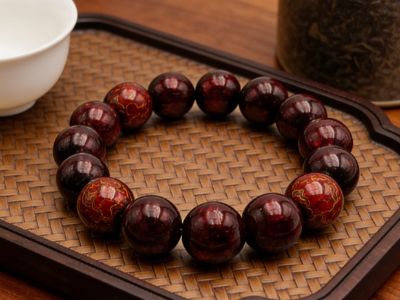
Handcrafted lacquer bracelets are exquisite pieces that blend traditional craftsmanship with modern design, reflecting cultural heritage and artistry. This article, "Handcrafted Elegance: The Process of Creating Authentic Lacquer Bracelets," aims to equip B2B buyers, including purchasing managers and product managers, with essential knowledge about evaluating, sourcing, and integrating these unique products into their offerings. Understanding the intricacies of lacquer bracelet production will address key buyer concerns, ensuring informed purchasing decisions.
How to Evaluate the Quality of Handcrafted Lacquer Bracelets?
When assessing the quality of handcrafted lacquer bracelets, several key factors should be considered:
Material Composition: Authentic lacquer bracelets are typically made from natural materials such as wood or bamboo, coated with layers of lacquer derived from the sap of the lacquer tree. Buyers should inquire about the source and purity of materials, as these impact both durability and appearance.
Craftsmanship: Examine the intricacy of the designs and the precision of the finishing. High-quality bracelets feature smooth surfaces without imperfections, and the lacquer jewelry should be evenly applied. Buyers should request samples to inspect the craftsmanship physically.
Durability: A well-crafted lacquer bracelet should withstand everyday wear. Evaluate its resistance to chipping, fading, and moisture. Testing the bracelet under various conditions can provide insights into its longevity.
Finish Quality: The final layer of lacquer should provide a glossy finish that enhances the bracelet’s aesthetic appeal. Transparent and vibrant colors indicate a high-quality lacquer finish application.
Certification and Authenticity: Ensure that the products are certified as authentic handcrafted items to prevent sourcing imitation products that do not meet quality standards.
Where to Source Wholesale Lacquer Bracelets for Your Business?
Sourcing high-quality lacquer bracelets requires strategic approaches to ensure authenticity and quality:
Established Manufacturers: Look for companies like Fujian Xinhua Impression Culture Technology Co., Ltd., which specialize in handcrafted items and have a proven track record in cultural craftsmanship. Their integration of traditional techniques with modern digital printing enhances product quality.
Trade Shows and Exhibitions: Attending industry trade shows can provide direct access to manufacturers and artisans. This allows buyers to inspect products firsthand and negotiate deals directly with suppliers.
Online Marketplaces: Platforms specializing in B2B transactions can be useful for sourcing. However, always verify the suppliers’ reputations and request samples before committing to bulk orders.
Local Artisans and Cooperatives: Partnering with local artisans can ensure a steady supply of unique products while supporting local economies. Establishing relationships with artisans can also lead to custom designs tailored to market needs.
Quality Assurance Programs: Ensure that suppliers have robust quality control processes in place. This might include sample approval processes before mass production to mitigate risks associated with defects.
Cost Savings on Lacquer Bracelet Purchases
Understanding the cost structure of lacquer bracelets is essential for maximizing budget efficiency:
Bulk Orders: Purchasing in larger quantities typically results in discounted pricing. Assessing minimum order quantities (MOQ) can help in planning purchases to take advantage of volume discounts.
Material Costs: The choice of materials directly influences the price. Higher-quality woods or coatings may increase costs but can offer better durability and aesthetic appeal, potentially leading to greater customer satisfaction and repeat business.
Production Efficiency: Partnering with manufacturers that utilize efficient production techniques can reduce costs. Inquire about their production capabilities and lead times, as delays can increase overall costs.
Shipping and Handling: Consider logistics in the total cost. Sourcing from manufacturers closer to your location can minimize shipping expenses. Additionally, negotiating shipping terms can lead to further savings.
Long-Term Supplier Relationships: Establishing long-term relationships with manufacturers can lead to better pricing arrangements and priority service, further enhancing cost savings over time.
Installation Guidance for Authentic Lacquer Bracelets in Projects
Incorporating lacquer bracelets into projects requires careful consideration of installation methods to maintain their integrity:
Surface Preparation: Ensure that surfaces where bracelets will be placed are clean and dry. Use protective layers if bracelets are being integrated into larger designs or installations.
Securing Method: If bracelets are used in fashion displays or decor, consider using non-damaging adhesives or fasteners that do not compromise the lacquer finish. Avoid methods that may scratch or chip the lacquer.
Environmental Conditions: Lacquer bracelets should be kept away from excessive moisture or direct sunlight to prevent damage to the lacquer finish. When designing installations, account for these environmental factors.
Maintenance Instructions: Provide clear maintenance guidelines for end-users. This may include cleaning methods and storage recommendations to ensure the longevity of the bracelets.
Technical Specifications for Authentic Lacquer Bracelet Products
When evaluating lacquer bracelets, understanding their technical specifications is crucial:
Dimensions: Specify size requirements based on target markets. Common dimensions should be confirmed, including diameter and thickness, as these affect comfort and wearability.
Material Specifications: Detail the types of wood or alternative materials used, as well as the number of lacquer layers applied. This affects both the aesthetic and functional quality of the bracelet.
Finish: Clarify the type of lacquer finish, whether matte, glossy, or satin. Each finish has different maintenance requirements and aesthetic qualities.
Weight: The weight of the bracelet can affect wearer comfort. Ensure specifications include this detail, especially for larger designs.
Customization Options: Discuss the manufacturer’s capacity for customization, including colors, patterns, or engravings, which can enhance product appeal to specific markets.
By focusing on these elements, buyers can ensure that they make informed decisions when sourcing handcrafted lacquer bracelets, ultimately leading to successful integration into their product offerings.
