 EN

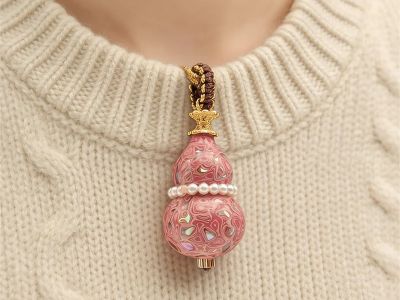
Lacquer jewelry is a remarkable fusion of artistry and craftsmanship, created by skilled artisans who meticulously blend traditional techniques with innovative practices. This article, titled "Meticulous Craft: How Lacquer Jewelry is Forged by Skilled Artisans," explores the nuances of lacquer jewelry manufacturing, providing valuable insights for B2B buyers such as purchasing managers, distributors, and product managers. Understanding the quality and characteristics of lacquer jewelry is crucial for making informed wholesale purchases, and this guide will equip you with the knowledge necessary to navigate this unique product category effectively.
Understanding the Art of Lacquer Jewelry Manufacturing
Lacquer jewelry manufacturing is a complex process that combines techniques such as layering, polishing, and painting, allowing artisans to create intricate designs and vibrant colors. The fundamental material used is lacquer, derived from the sap of the lacquer tree, which is known for its durability and glossy finish. The production process typically involves several stages:
Base Preparation: Artisans start with a base material, often wood or metal, which is carefully shaped to the desired form. This initial stage is critical, as the choice of base material affects the final product's weight and durability.
Layering: Multiple layers of lacquer are applied to the base, each layer meticulously sanded and polished. This process creates a smooth, glossy finish that enhances the vibrancy of the colors used in the design. The layering technique also contributes to the durability of the jewelry.
Design Application: Artisans often incorporate traditional motifs or modern designs using techniques like inlay or hand-painting. This step adds uniqueness and artistry to each piece, catering to diverse consumer tastes.
Curing: After the final layer is applied, the lacquer jewelry must cure for a specific period, allowing the lacquer to harden and bond effectively. This stage is essential for ensuring the longevity and quality of the finished product.
Understanding these manufacturing processes helps buyers appreciate the craftsmanship that goes into each piece of lacquer jewelry, enabling them to evaluate products more effectively.
How to Evaluate the Quality of Lacquer Jewelry for Wholesale Purchases?
When assessing lacquer jewelry for wholesale purchases, several quality indicators should be considered to ensure that the products meet your expectations and those of your customers:
Finish and Gloss: A high-quality lacquer piece will have a smooth, glossy surface without bubbles or imperfections. Inspecting the finish helps determine whether the jewelry has been crafted with care.
Durability: Lacquer jewelry should be resistant to scratches and wear. Buyers should inquire about the curing process, as a well-cured piece will be more durable and maintain its appearance over time.
Design Consistency: Evaluate the consistency of design and color across multiple pieces. Each item should reflect the same level of craftsmanship, with no significant variations in color or pattern that could indicate inferior quality.
Material Integrity: Confirm the type of base material used. High-quality lacquer jewelry often employs solid wood or metal, while inferior versions may use cheaper alternatives that compromise durability.
Certificate of Authenticity: If applicable, request any certifications that affirm the craftsmanship, authenticity, or adherence to traditional methods. This can enhance the credibility of your supplier.
By focusing on these key quality indicators, buyers can ensure they are selecting lacquer jewelry that not only meets aesthetic requirements but also stands the test of time.
Key Considerations
When purchasing lacquer jewelry, several key considerations can significantly influence your decision-making process:
Minimum Order Quantity (MOQ): Different manufacturers will have varying MOQs, which can affect your purchasing strategy. Understanding these requirements allows you to plan inventory and budget effectively.
Customization Options: Many artisans offer customization services, allowing buyers to request specific designs or colors. This flexibility can help differentiate your product offerings in the market.
Lead Times: The production lead time for urumqi jewelry can vary depending on the complexity of the designs and the manufacturer's capacity. Confirming lead times upfront can help manage customer expectations.
Packaging and Shipping: Proper packaging is crucial to protect lacquer jewelry during transit. Inquire about the manufacturer’s packaging methods to ensure that products arrive in excellent condition.
These considerations will help streamline your purchasing process and ensure that your selections align with your business needs.
Where Lacquer Jewelry Fits in Your Projects?
Lacquer jewelry can serve various roles in different projects, making it a versatile addition to your product lineup. Its unique aesthetic and cultural significance can enhance offerings in several markets:
Fashion Accessories: Lacquer jewelry is an attractive choice for fashion retailers looking to provide unique, handcrafted items that stand out in a crowded marketplace.
Gift Items: With its intricate designs and cultural heritage, lacquer jewelry makes for thoughtful gifts, appealing to consumers seeking meaningful, artisanal presents.
Home Décor: Beyond wearable items, lacquer pieces can also be used in home décor applications, such as decorative boxes or wall art, expanding your product range.
Cultural Events: For retailers involved in cultural or themed events, lacquer jewelry represents a rich tradition that can enhance the event's authenticity and appeal.
Understanding where lacquer jewelry fits into your projects allows for strategic marketing and product placement, maximizing its potential impact on your business.
A Guide for Wholesale Buyers
Navigating wholesale purchases of lacquer jewelry involves a few actionable steps that can simplify the process:
Research Suppliers: Identify reputable manufacturers with a proven track record in lacquer jewelry production. A strong reputation often correlates with better quality and service.
Request Samples: Before committing to a large order, request samples to evaluate the quality firsthand. This step is crucial for assessing fit and finish, as well as to confirm that the products meet your specifications.
Specify Requirements: When preparing a request for quotation (RFQ), be clear about your needs such as product type, design preferences, and quantity. Providing detailed information will help suppliers deliver accurate pricing and lead times.
Quality Assurance Checks: Establish a quality assurance process to inspect products upon arrival. This can include checking for defects, verifying quantity, and ensuring that products meet your agreed specifications.
Build Relationships: Cultivating relationships with suppliers can lead to better pricing, exclusive offers, and improved communication, which is beneficial for long-term partnerships.
By following these guidelines, wholesale buyers can approach lacquer lacquer finish purchases with confidence, ensuring they select high-quality products that meet their business objectives.
