 EN

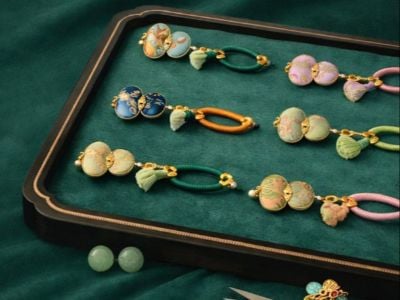
Creating durable custom metal badges presents unique engineering challenges, particularly when balancing aesthetics, functionality, and longevity. This article explores the engineering challenge of creating a durable custom metal badge, addressing key specifications, sourcing suppliers, cost factors, common manufacturing issues, and material choices. By the end, buyers will gain insight into what to consider when purchasing custom metal badges, ensuring they make informed decisions that meet their specific needs.
Key Specifications for High-Quality Custom Metal Badges
When evaluating custom metal badges, several key specifications must be prioritized to ensure durability and functionality. These include:
Material Thickness: The gauge of metal used can significantly affect the badge's strength and weight. Thicker materials generally offer better durability but may increase overall cost and weight.
Finish Type: The surface treatment, such as anodizing, plating, or powder coating, not only enhances appearance but also provides corrosion resistance. A high-quality finish can prevent wear over time, maintaining the badge's visual appeal.
Adhesive Strength: If the badges are designed to be affixed using adhesives, the bond strength is crucial. This should be tailored to withstand environmental conditions, ensuring the personalized metal badges remains intact during use.
Dimensions and Design Complexity: Precise dimensions are vital for fitting purposes, particularly in applications where badges must be mounted on uniforms or equipment. Complex designs may require advanced manufacturing techniques, affecting production time and costs.
Weight Considerations: The weight of the badge can impact user comfort, especially in applications such as uniforms. Balancing weight with durability is essential for end-user satisfaction.
Understanding these specifications will guide buyers in selecting the right custom metal badges that meet their operational needs and aesthetic preferences.
Where to Source Reliable Suppliers for Custom Metal Badges?
Finding a reliable supplier for custom metal badges involves careful evaluation of potential manufacturers. Here are several strategies to identify suitable partners:
Industry Research: Start by researching manufacturers specializing in custom metal products. Look for companies with a proven track record and positive customer reviews.
Trade Shows and Industry Events: Attending exhibitions related to manufacturing and custom products can help buyers connect with suppliers directly. This also provides opportunities to inspect product samples and discuss specific needs face-to-face.
Referrals and Networking: Leverage connections within your industry. Recommendations from colleagues or industry peers can lead to trustworthy suppliers who have consistently delivered quality products.
Certifications and Standards: Verify that potential suppliers adhere to relevant industry standards and certifications, such as ISO 9001 for quality management systems. This indicates a commitment to maintaining high production standards.
Sample Approval: Request samples before placing large orders. This allows buyers to assess material quality, finish, and overall craftsmanship, ensuring the supplier can meet expectations.
By following these steps, buyers can establish partnerships with reliable suppliers who can deliver high-quality custom metal badges tailored to their specifications.
Comparing Cost Factors for Durable Custom Metal Badge Production
Understanding the cost factors associated with custom metal badge production is essential for making informed purchasing decisions. Here are the primary elements influencing costs:
Material Choice: The type of metal selected such as brass, stainless steel, or aluminum affects pricing. Higher-quality metals often come with increased costs but can provide better durability and longevity.
Manufacturing Processes: Techniques such as die casting, stamping, or engraving can vary significantly in price. Each method has distinct implications for production speed, complexity, and scalability.
Volume of Order: Typically, larger quantities lead to lower per-unit costs due to economies of scale. However, buyers should consider whether they need immediate production or can afford to wait for larger batches.
Customization Options: Additional features such as unique shapes, customized designs, or special finishes will add to the overall cost. Buyers should assess which customizations are essential for functionality versus aesthetics.
Lead Time: Rush orders may incur additional fees. Proper planning can help avoid these costs, allowing for regular production schedules that align with budget constraints.
By comparing these cost factors, buyers can better evaluate their options and make decisions that align with their budget and quality requirements.
Effective Solutions for Common Custom Metal Badge Manufacturing Issues
Manufacturing custom metal badges can present several challenges. Here are common issues and effective solutions to address them:
Inconsistent Quality: Variability in production can lead to differences in badge appearance and durability. Implementing stringent quality control processes during production such as inspections at different stages can help maintain consistency.
Design Limitations: Some intricate designs may be difficult to replicate during mass production. Engaging manufacturers early in the design process can help assess feasibility and suggest modifications that ensure manufacturability.
Material Defects: Materials with inherent defects can compromise badge quality. Buyers should work with suppliers who perform thorough material checks and can provide documentation regarding material integrity.
Adhesive Failures: In applications where badges are glued, adhesive failure can lead to badges falling off. Conducting adhesive bond testing and selecting appropriate adhesives based on environmental conditions can mitigate this risk.
Delivery Delays: Timely delivery is crucial for meeting operational needs. Establishing clear timelines and maintaining open lines of communication with suppliers can help prevent delays.
By proactively addressing these manufacturing challenges, buyers can minimize potential issues and ensure a smoother production process for personalised metal badges.
What Materials Ensure the Longevity of Custom Metal Badges?
Selecting the right material is critical for ensuring the durability and longevity of custom metal badges. Here are some materials commonly used and their benefits:
Stainless Steel: Known for its corrosion resistance and strength, stainless steel is ideal for badges exposed to harsh environments. It maintains its appearance over time and is less prone to wear and tear.
Brass: This material offers a classic look and can be finished in various ways, such as polishing or antiquing. Brass badges are durable but may require protective coatings to prevent tarnishing.
Aluminum: Lightweight and versatile, aluminum is often used for badges that require intricate designs. It can be anodized for added protection against corrosion, making it suitable for outdoor applications.
Copper: While less common, copper badges provide a distinctive aesthetic. They can develop a patina over time, which some users find appealing. However, they may require additional treatments to enhance longevity.
Coated Materials: Some manufacturers offer badges with protective coatings to enhance durability. These coatings can improve resistance to scratches, fading, and environmental exposure, extending the life of the badge.
Selecting the appropriate material depends on the badge's intended application and environmental factors. Buyers should consult with suppliers to determine the best option for their specific needs and conditions.
Table of Contents
- Key Specifications for High-Quality Custom Metal Badges
- Where to Source Reliable Suppliers for Custom Metal Badges?
- Comparing Cost Factors for Durable Custom Metal Badge Production
- Effective Solutions for Common Custom Metal Badge Manufacturing Issues
- What Materials Ensure the Longevity of Custom Metal Badges?
