 EN

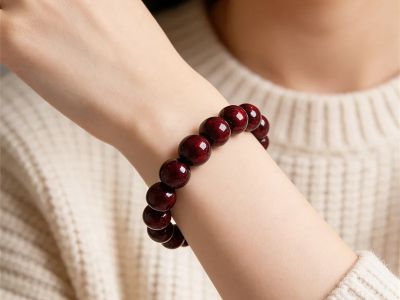
Chinese lacquer art, a traditional form of craftsmanship, has evolved significantly over the centuries. The lustrous history of Chinese lacquer art and its modern applications are of keen interest to various industries, especially in the realm of manufacturing and design. B2B buyers, including purchasing managers and distributors, are increasingly seeking insights into how this ancient art form can be integrated into contemporary products. This article explores the key applications of Chinese lacquer art in modern industries, compares traditional and modern lacquer products, provides installation guidance for commercial settings, addresses common problems and solutions, and offers tips for ensuring supplier reliability in the Chinese lacquer market.
What Are the Key Applications of Chinese Lacquer Art in Modern Industries?
Chinese lacquer art is making a resurgence in various sectors, primarily due to its unique aesthetic qualities and durability. Some of the key applications include:
Furniture Production: Lacquered furniture is highly sought after for its glossy finish and intricate designs. It is used in luxury homes and commercial spaces, providing an elegant touch while also being resistant to moisture and wear.
Home Decor: Decorative items such as vases, wall art, and sculptures benefit from lacquer's ability to create vibrant colors and intricate patterns. These products appeal to interior designers and architects looking for unique, high-end decorative solutions.
Consumer Goods: The use of lacquer in everyday items, such as kitchenware and personal accessories, is growing. The lacquer finish not only enhances visual appeal but also adds a protective layer, making these products more durable.
Architectural Elements: In commercial settings, lacquer bangle panels and partitions are used to create striking visual statements. Their versatility allows for customization in size, design, and color to meet specific project requirements.
Cultural Artifacts: Organizations and museums are increasingly interested in lacquer art as a means to preserve cultural heritage. Restorations and reproductions of historical lacquer pieces are performed using both traditional and modern techniques.
Understanding these applications allows buyers to evaluate how lacquer products can enhance their offerings and meet customer demands.
Comparing Specifications of Traditional vs. Modern Chinese Lacquer Products
When considering lacquer products, understanding the differences between traditional and modern specifications is crucial.
Materials: Traditional lacquer is derived from the sap of the lacquer tree, which provides a natural, non-toxic finish. Modern products may use synthetic resins that can mimic the appearance of traditional lacquer but may lack the same depth and character.
Durability: Traditional lacquer finishes are known for their resilience and ability to withstand environmental factors. Modern finishes can be engineered to provide specific performance metrics, such as scratch resistance and UV protection, which may not be present in traditional methods.
Finish Quality: Traditional lacquer often requires multiple layers and extensive polishing to achieve a high-gloss finish, while modern techniques may use automated processes for a consistent and efficient finish.
Customization: Modern lacquer bracelet production allows for rapid prototyping and custom designs, catering to specific market demands. Traditional methods may be more labor-intensive and time-consuming, impacting lead times.
By comparing these specifications, buyers can make informed decisions based on the intended use, aesthetic requirements and durability needs of their products.
Installation Guidance for Chinese Lacquer Art in Commercial Settings
Installing lacquered pieces in commercial settings involves careful planning and execution. Here are key considerations:
Surface Preparation: Ensure that the surfaces where lacquered items will be installed are clean and dry. Any imperfections can affect the final appearance and adhesion.
Environmental Conditions: Lacquer should be installed in environments with controlled temperature and humidity to prevent damaging the finish. Avoid areas with extreme conditions that could cause expansion or contraction of the materials.
Mounting Hardware: Use appropriate mounting hardware that supports the weight of lacquered items, especially for larger decorative pieces or panels. Ensure that fasteners do not penetrate the lacquer jewelry finish to avoid damage.
Maintenance Considerations: Provide guidance on how to maintain lacquered surfaces. This includes using non-abrasive cleaning agents and avoiding harsh chemicals that could degrade the finish over time.
By following these guidelines, businesses can ensure that their lacquer art installations are both aesthetically pleasing and durable.
Common Problems with Chinese Lacquer Art and Effective Solutions
While Chinese lacquer art is renowned for its beauty and durability, buyers should be aware of common issues that may arise:
Cracking and Chipping: This can occur due to improper curing or exposure to extreme temperatures. To mitigate this, ensure that lacquer products are stored and displayed in stable environments, and educate customers on proper care techniques.
Fading Colors: Over time, some lacquer finishes may fade when exposed to direct sunlight. Consider recommending UV-resistant coatings or placing lacquered items away from direct light to preserve their vibrancy.
Surface Imperfections: During production, dust, or contaminants can lead to surface imperfections. Implementing stringent quality control measures during the manufacturing process can help catch these issues before products reach the market.
Adhesion Problems: If lacquer is not properly applied, it may peel or bubble. Buyers should ensure that they work with reputable suppliers who adhere to industry best practices in application techniques.
By understanding these common problems and their solutions, buyers can better prepare for potential challenges and ensure customer satisfaction.
How to Ensure Supplier Reliability in the Chinese Lacquer Market?
When sourcing lacquer products from Chinese suppliers, establishing reliability is crucial. Here are steps to consider:
Research and Reviews: Conduct thorough research on potential suppliers. Look for reviews and testimonials from other buyers to gauge their reputation in the market.
Factory Visits: Whenever possible, visit the manufacturing facilities to assess production capabilities, quality control processes, and adherence to safety standards. This firsthand experience can provide valuable insights into the supplier's operations.
Certifications and Compliance: Verify that suppliers hold relevant certifications for quality and safety standards. This includes checking for compliance with international regulations, especially if products will be exported.
Sample Approvals: Before placing bulk orders, request samples to evaluate the quality and finish of the products. This step is critical in ensuring that the final products meet your specifications and expectations.
Clear Communication: Maintain open lines of communication with suppliers. Clearly articulate your requirements, including material specifications, lead times, and customization options. This will help prevent misunderstandings and ensure that both parties are aligned.
By taking these steps, B2B buyers can enhance their chances of finding reliable suppliers in the Chinese lacquer market, ensuring quality and consistency in their product offerings.
Table of Contents
- What Are the Key Applications of Chinese Lacquer Art in Modern Industries?
- Comparing Specifications of Traditional vs. Modern Chinese Lacquer Products
- Installation Guidance for Chinese Lacquer Art in Commercial Settings
- Common Problems with Chinese Lacquer Art and Effective Solutions
- How to Ensure Supplier Reliability in the Chinese Lacquer Market?
