 EN

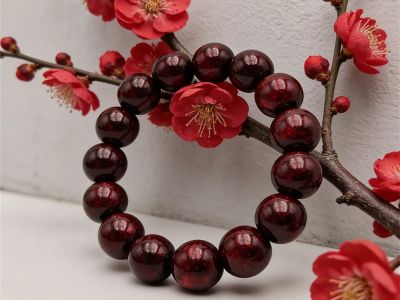
The Science of Shine: Understanding Natural Lacquer Finishes
Natural lacquer finishes are revered in various industries for their aesthetic appeal and protective qualities. These finishes, derived from tree resins, not only enhance the visual characteristics of the surface but also provide a durable barrier against environmental factors. For B2B buyers, understanding the intricacies of natural lacquer finishes is crucial, particularly when considering factors such as application suitability, quality assurance, and sourcing. This article will delve into the essential aspects of natural lacquer finishes, helping you make informed purchasing decisions.
How to Choose the Right Natural Lacquer Finish for Your Projects?
Selecting the appropriate natural lacquer finish requires careful consideration of several factors. First, assess the intended application different environments may necessitate distinct properties. For instance, if the finish is for furniture intended for outdoor use, look for a formulation that offers superior UV resistance and moisture protection. Next, consider the desired aesthetic. Natural lacquer bangle can range from glossy to matte, and the finish type will significantly affect the final appearance. Additionally, inquire about the underlying materials; different substrates (wood, metal, etc.) may react differently to lacquer, impacting adhesion and durability. Finally, engage with suppliers about customization options. Many manufacturers, including those like Fujian Xinhua Impression Culture Technology Co., Ltd., offer tailored solutions that align with specific project requirements, ensuring that the finish not only meets aesthetic goals but also performs effectively in its application environment.
Sourcing Reliable Natural Lacquer Finishes
When sourcing natural lacquer finishes, reliability in both product quality and supplier practices is paramount. Begin by evaluating the manufacturer's reputation and track record in the industry. Look for companies that prioritize craftsmanship and have a commitment to sustainable sourcing practices, as these factors often correlate with product quality. Request samples before making bulk orders to assess the finish's application and durability. Additionally, inquire about the manufacturer’s quality control processes. A reputable supplier will have stringent testing protocols to ensure that their products meet industry standards and specifications. Establishing a clear line of communication with potential suppliers can also facilitate better sourcing decisions. Discussing your project requirements, including material compatibility and expected performance, can help ensure that you receive the most appropriate lacquer options.
Understanding Pricing for Bulk Orders of Natural Lacquer
Pricing for bulk orders of natural lacquer finishes can vary based on several key factors. The type of lacquer, its formulation, and the volume of the order all play significant roles in determining cost. For instance, specialized lacquers with enhanced properties, such as weather resistance or eco-friendliness, typically come at a premium. Additionally, consider the Minimum Order Quantity (MOQ) set by manufacturers. Larger orders generally yield lower per-unit costs, but ensure that the volume aligns with your project needs to avoid excess inventory costs. When requesting quotes, provide detailed specifications, including desired finish types, quantities, and application environments. This will enable suppliers to provide accurate pricing and delivery timelines, helping you make more informed financial decisions.
Best Practices for Applying Natural Lacquer Finishes
Proper application of natural lacquer finishes is crucial for achieving optimal results. Begin by preparing the surface meticulously; it should be clean, dry, and free from contaminants that could hinder adhesion. Sanding the surface lightly can enhance the lacquer's grip, resulting in a smoother finish. Application should be performed in controlled environmental conditions, ideally at temperatures between 60°F and 80°F (15°C to 27°C) with low humidity. This helps prevent issues such as bubbling or uneven drying. Use high-quality brushes or spray equipment to apply the lacquer bracelet evenly, and consider multiple thin coats rather than a single thick layer this approach enhances durability and reduces the risk of defects. Finally, allow adequate drying time between coats based on the manufacturer’s recommendations. Rushing this process can lead to unsatisfactory finishes and compromise the lacquer's protective qualities.
Common Problems with Natural Lacquer Finishes and Their Solutions
While natural lacquer finishes are known for their beauty and durability, certain issues can arise during application or over time. One common problem is bubbling, typically caused by applying lacquer in high humidity or using a contaminated brush. To mitigate this, ensure the application environment is suitable and use clean tools. Another issue could be poor adhesion, which may occur if the surface is not properly prepared or if incompatible materials are used. Always verify that the substrate is suitable for the lacquer type, and conduct adhesion tests when in doubt. Finally, discoloration or yellowing can occur with exposure to UV light over time. This can be minimized by selecting lacquer jewelry formulated with UV stabilizers, particularly for outdoor applications. Regular maintenance, including reapplication of the lacquer, can also help prolong the finish's aesthetic appeal and protective capabilities. Understanding these potential challenges and their solutions empowers buyers to make informed decisions and maintain the quality of their natural lacquer finishes effectively.
Table of Contents
- The Science of Shine: Understanding Natural Lacquer Finishes
- How to Choose the Right Natural Lacquer Finish for Your Projects?
- Sourcing Reliable Natural Lacquer Finishes
- Understanding Pricing for Bulk Orders of Natural Lacquer
- Best Practices for Applying Natural Lacquer Finishes
- Common Problems with Natural Lacquer Finishes and Their Solutions
