 EN

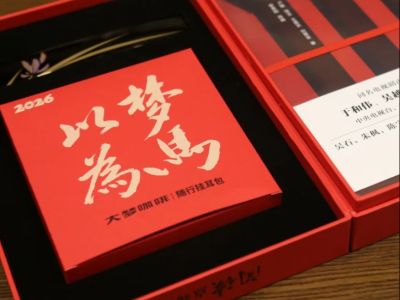
The tactile advantage of a hand-bound notebook for your brand lies not only in its aesthetic appeal but also in its potential to enhance user experience and brand perception. As businesses seek unique ways to engage their clients, hand-bound notebooks offer a blend of craftsmanship and functionality. This article will explore key considerations for B2B buyers, including quality evaluation, material specifications, supplier reliability, cost factors, and common challenges, enabling you to make informed decisions when sourcing these products.
How to Evaluate the Quality of Hand-Bound Notebooks for Wholesale?
When evaluating the quality of hand-bound notebooks for wholesale, buyers should consider several key factors. First, inspect the binding technique; superior notebooks often utilize a traditional method such as Coptic or Japanese stab binding, which allows the pages to lie flat. This is crucial for usability, especially for professionals who need to write or draw across the entire page without obstruction.
Next, assess the paper quality. Look for specifications like weight (measured in GSM) and texture. A higher GSM indicates thicker, more durable paper that can withstand various writing instruments without bleeding or tearing. Additionally, consider the finish of the paper; smooth finishes are ideal for pens, while textured surfaces may offer a more tactile writing experience.
Lastly, evaluate the overall craftsmanship. Check for consistency in size, alignment, and finishing touches such as corner rounding or edge painting. A well-crafted custom perfect bound notebooks not only enhances the user's experience but also reflects positively on your brand.
Comparing Material Specifications for Premium Hand-Bound Notebooks
Material selection is pivotal when sourcing premium hand-bound notebooks. The cover material should be durable yet aesthetically pleasing. Leather, for instance, offers a luxurious feel and excellent durability but may come at a higher cost. Alternatively, eco-friendly materials such as recycled paper or fabric can appeal to sustainability-conscious brands without compromising quality.
The type of paper used inside the notebook is equally important. Consider options like acid-free paper, which prevents yellowing over time, ensuring longevity. Moreover, the choice between lined, blank, or grid pages should align with the intended use whether for sketching, note-taking, or journaling.
Another specification to consider is the weight and thickness of the cover. A heavier cover provides sturdiness, making the spiral notebook more suitable for travel or frequent handling. Buyers should weigh these material choices against their budget and intended application to ensure the final product meets their expectations.
Where to Find Reliable Suppliers of Hand-Bound Notebooks?
Finding reliable suppliers for hand-bound notebooks can be a daunting task, but focusing on a few key aspects can simplify the process. Start by seeking manufacturers with a proven track record in craftsmanship and customer service. Look for companies that showcase their portfolio, including samples of previous work, which can provide insight into their production capabilities and quality standards.
Trade shows and industry exhibitions are excellent venues for connecting with potential suppliers. These events allow buyers to physically assess products and interact with manufacturers, facilitating better understanding and trust.
Additionally, consider online marketplaces and platforms dedicated to B2B transactions. Websites that feature reviews and ratings can help you gauge the reputation of suppliers. Always request samples before committing to larger orders, as this will allow you to evaluate quality firsthand.
Cost Factors to Consider When Purchasing Hand-Bound Notebooks
Pricing for hand-bound notebooks can vary significantly based on several factors. The choice of materials is often the primary cost driver; premium materials will naturally lead to a higher price point. Customization options, such as embossed logos or personalized designs, can also increase costs, so it's essential to determine the balance between your budget and desired features.
Another cost factor is order volume. Many manufacturers have minimum order quantities (MOQs), and pricing may decrease per unit with larger orders. Therefore, understanding your needs and aligning them with supplier capabilities can lead to more favorable pricing.
Also, consider additional costs such as shipping and handling. Depending on the supplier's location and your delivery requirements, these costs can significantly impact the overall expense. Always clarify these factors during negotiations to avoid unexpected charges.
Common Problems with Notebooks and Effective Solutions for Buyers
Despite their appeal, hand-bound notebooks can present several common issues that buyers should be aware of. One frequent problem is binding failure, where pages may become loose or detached over time. To mitigate this, ensure that the supplier uses high-quality binding techniques and materials. Request information on their quality control processes to guarantee durability.
Another issue pertains to paper quality. Some notebooks may use low-grade paper that can lead to ink bleed-through, diminishing usability. Buyers should prioritize testing samples with the intended writing instrument to ensure compatibility. A simple test can reveal whether the paper meets expected standards.
Lastly, consider packaging and shipping concerns. Notebooks need to be packaged carefully to prevent damage during transit. Verify that the supplier employs adequate protective measures, such as using rigid boxes or padding. This attention to detail ensures the products arrive in pristine condition, maintaining your brand’s reputation.
By addressing these common problems proactively, buyers can enhance their purchasing experience and reduce the risk of dissatisfaction with final products.
In summary, understanding the tactile advantage of a hand-bound notebook involves careful consideration of quality, materials, supplier reliability, and cost factors. By applying these insights, your brand can harness the unique characteristics of hand-bound notebooks to create memorable experiences for clients and customers alike.
Table of Contents
- How to Evaluate the Quality of Hand-Bound Notebooks for Wholesale?
- Comparing Material Specifications for Premium Hand-Bound Notebooks
- Where to Find Reliable Suppliers of Hand-Bound Notebooks?
- Cost Factors to Consider When Purchasing Hand-Bound Notebooks
- Common Problems with Notebooks and Effective Solutions for Buyers
