EN
EN

เมื่อตุ๊กตาแบบกล่องสุ่มลู่ซวิน (Lu Xun) และผลิตภัณฑ์สร้างสรรค์ทางวัฒนธรรมที่มีธีมแพนด้า 'จ้วนเป่า' (Juanbao) แพร่กระจายอย่างรวดเร็วผ่านสื่อสังคมออนไลน์ เมื่อเทคโนโลยี XR ทำให้วัฒนธรรมปฏิวัติสามารถสัมผัสได้จริงและเข้าถึงได้ง่ายยิ่งขึ้น และเมื่อผลิตภัณฑ์สร้างสรรค์ทางวัฒนธรรมที่เกี่ยวข้องกับการพิมพ์ย้ายจากมุมหนึ่งของงานแสดงหนังสือไปสู่ใจกลางตลาด… อุตสาหกรรมการพิมพ์กำลังใช้ผลิตภัณฑ์สร้างสรรค์ทางวัฒนธรรมเป็นจุดหมุนในการทลายขอบเขตของหนังสือพิมพ์ สร้างเส้นทางใหม่ผ่านการบูรณาการข้ามอุตสาหกรรม และบรรลุการเปลี่ยนผ่านอย่างลึกซึ้งจาก 'การผลิตเนื้อหา' สู่ 'การดำเนินงานเชิงมูลค่า'
ปัจจุบัน ตลาดหนังสือและตลาดวัฒนธรรมเชิงสร้างสรรค์แสดงให้เห็นถึงความขัดแย้งอย่างชัดเจน: ในปี 2025 ยอดขายหนังสือรูปแบบกายภาพลดลงเมื่อเทียบกับปีก่อนหน้า อัตราการเติบโตของรายได้จากตลาดปลีกชะลอตัว และอุตสาหกรรมการพิมพ์แบบดั้งเดิมกำลังเผชิญกับแรงกดดันต่อการเติบโต ขณะเดียวกัน อุตสาหกรรมบริการด้านวัฒนธรรมยังคงร้อนแรงต่อเนื่อง ขนาดตลาดของของเล่นที่มีธีม IP และผลิตภัณฑ์เสริมเชิงวัฒนธรรมและสร้างสรรค์ยังคงเติบโตอย่างรวดเร็ว ความต้องการการบริโภคด้านวัฒนธรรมของเยาวชนได้ขยายตัวจาก "การอ่าน" ไปสู่ "การสัมผัสประสบการณ์" "การสะสม" และ "การเข้าสังคม" ความขัดแย้งนี้สะท้อนการเปลี่ยนแปลงเชิงลึกในตรรกะการพัฒนาของอุตสาหกรรมการพิมพ์—ยุคที่อาศัยเพียงการขยายขนาดของการพิมพ์หนังสือแบบดั้งเดิมได้สิ้นสุดลงแล้ว ระบบนิเวศการพิมพ์ระดับใหญ่ที่มีเนื้อหา IP เป็นศูนย์กลาง และผสานรวมข้ามสื่อและข้ามอุตสาหกรรม ได้กลายเป็นเส้นทางที่หลีกเลี่ยงไม่ได้สำหรับการพัฒนาคุณภาพสูงของอุตสาหกรรมนี้
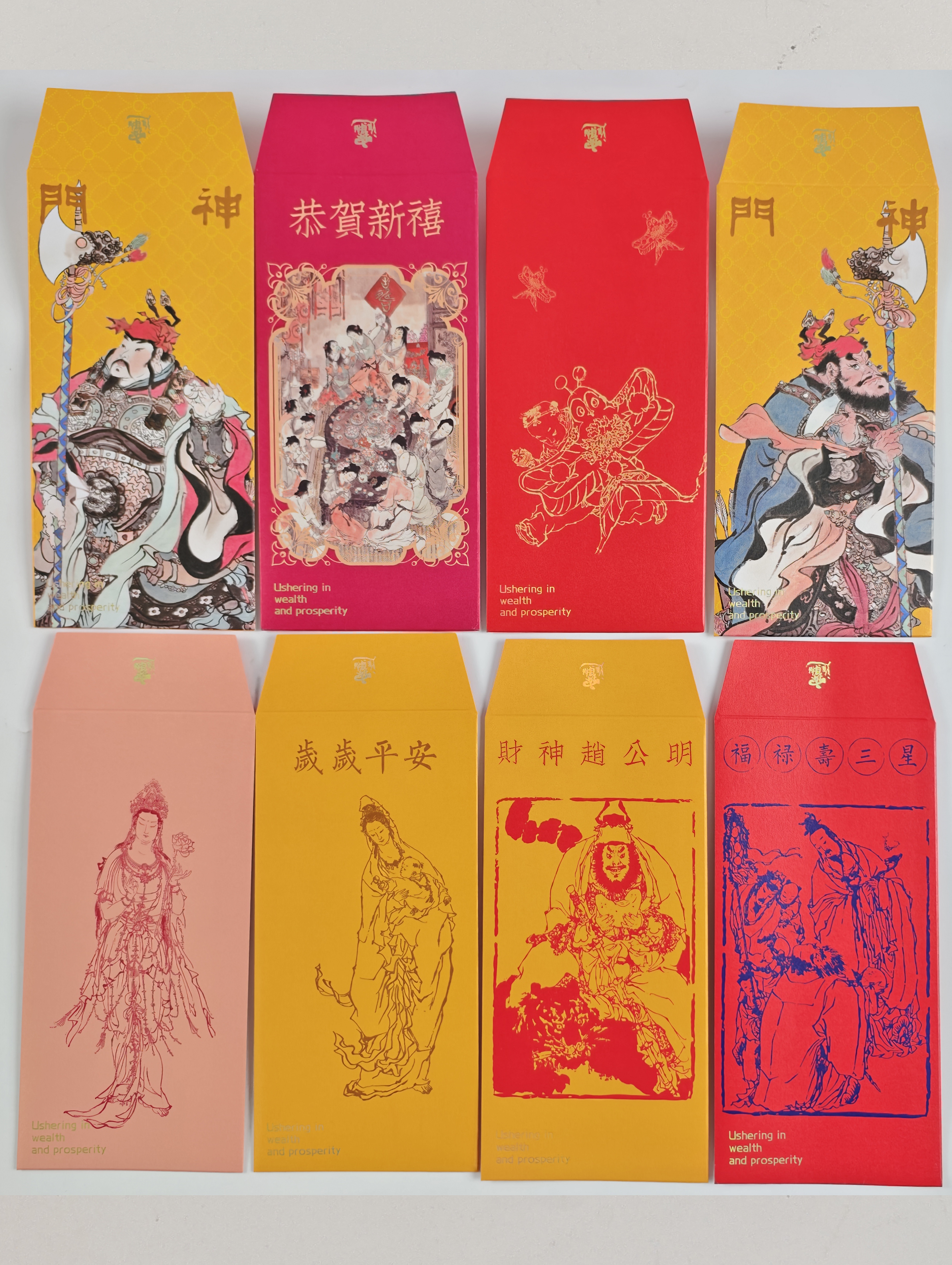
งานหนังสือปักกิ่ง ค.ศ. 2026 ที่เพิ่งสิ้นสุดลงเมื่อเร็วๆ นี้ ได้เน้นย้ำถึงความนิยมที่กำลังเฟื่องฟูของอุตสาหกรรมการพิมพ์และผลิตภัณฑ์เชิงสร้างสรรค์ทางวัฒนธรรม โดยจำนวนบูธที่จัดแสดงผลิตภัณฑ์เชิงสร้างสรรค์ทางวัฒนธรรมเพิ่มขึ้นหนึ่งในสามเมื่อเทียบกับช่วงเวลาเดียวกันในปีที่ผ่านมา และผลิตภัณฑ์ของสำนักพิมพ์หลายแห่งกลายเป็น "ไวรัลฮิต" ไปทั่ว หัวข้อ "สำนักพิมพ์จะสามารถเจาะตลาดใหม่ด้วยผลิตภัณฑ์เชิงสร้างสรรค์ทางวัฒนธรรมได้อย่างไร" จึงกลายเป็นประเด็นร้อนแรงในการอภิปรายภายในแวดวงอุตสาหกรรม จากการสัมภาษณ์พบว่า หลังจากที่อุตสาหกรรมการพิมพ์ได้สำรวจและทดลองมาอย่างยาวนาน ปัจจุบันได้ก้าวพ้นข้อผิดพลาดในระยะเริ่มต้น เช่น การ "ติดป้ายอย่างง่ายๆ" และการ "นำองค์ประกอบต่างๆ มาซ้อนทับกันอย่างไม่มีเหตุผล" แล้ว จนเกิดเป็นโมเดลการร่วมมือข้ามอุตสาหกรรมสำหรับผลิตภัณฑ์เชิงสร้างสรรค์ทางวัฒนธรรมที่เป็นตัวแทน 4 แบบ ซึ่งให้แนวทางอันทรงคุณค่าต่อการเปลี่ยนแปลงและพัฒนาอุตสาหกรรม
การขยายสถานการณ์และการยกระดับคุณค่าของผลิตภัณฑ์: การขยายคุณค่าของการอ่านให้ไกลเกินกว่าหนังสือเล่มเดียว
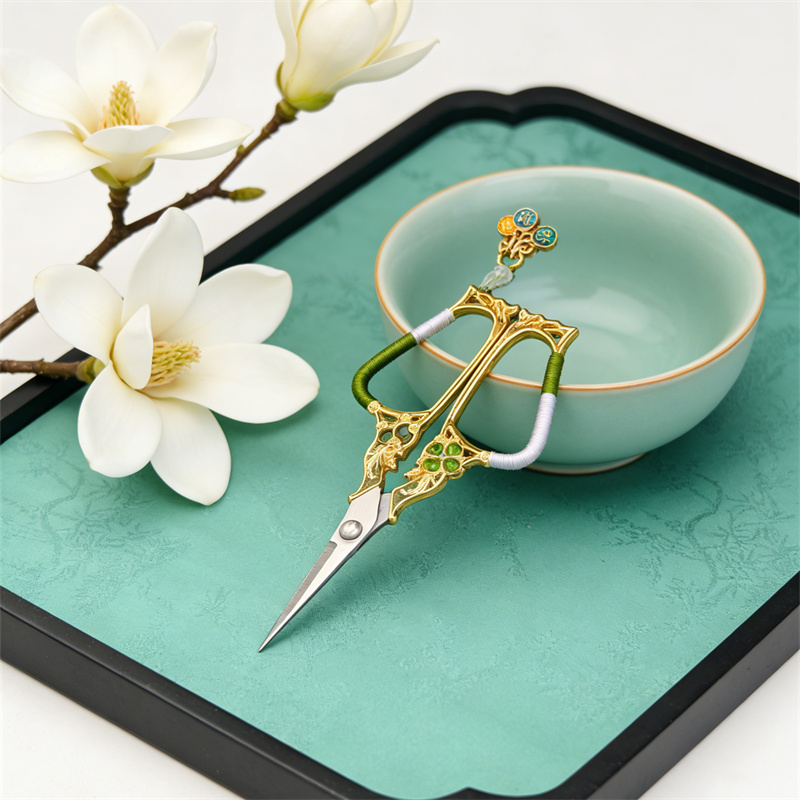
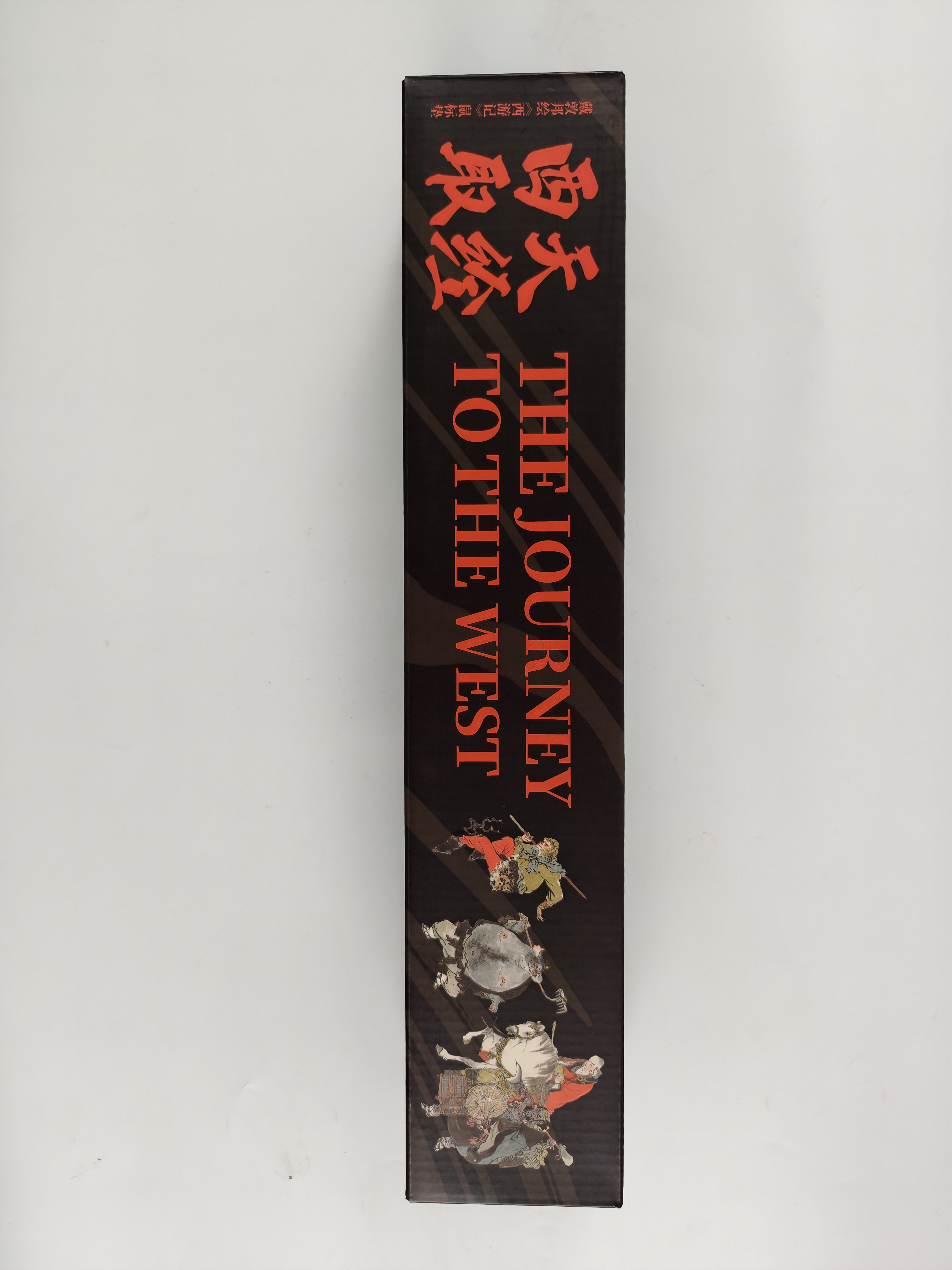
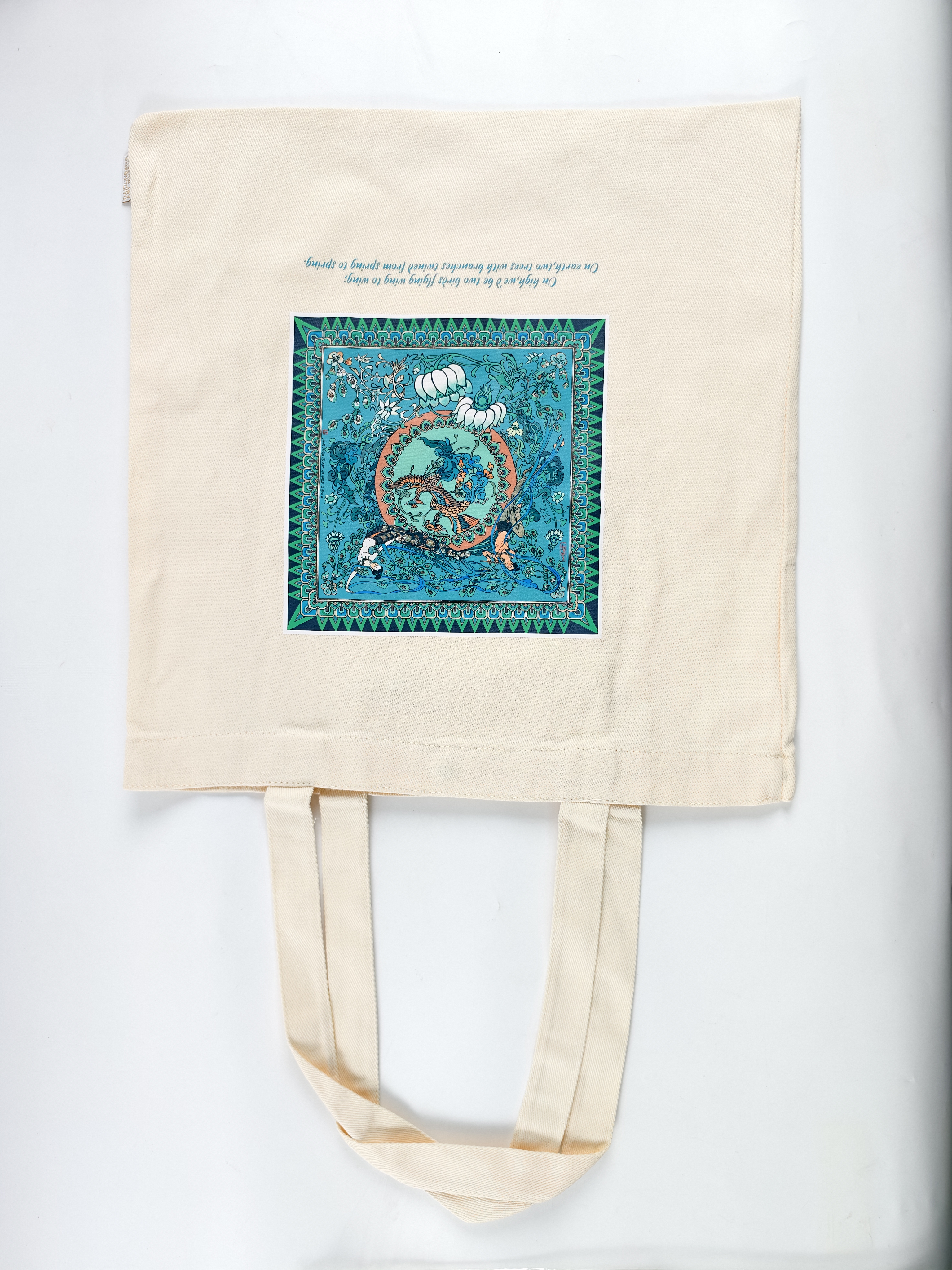
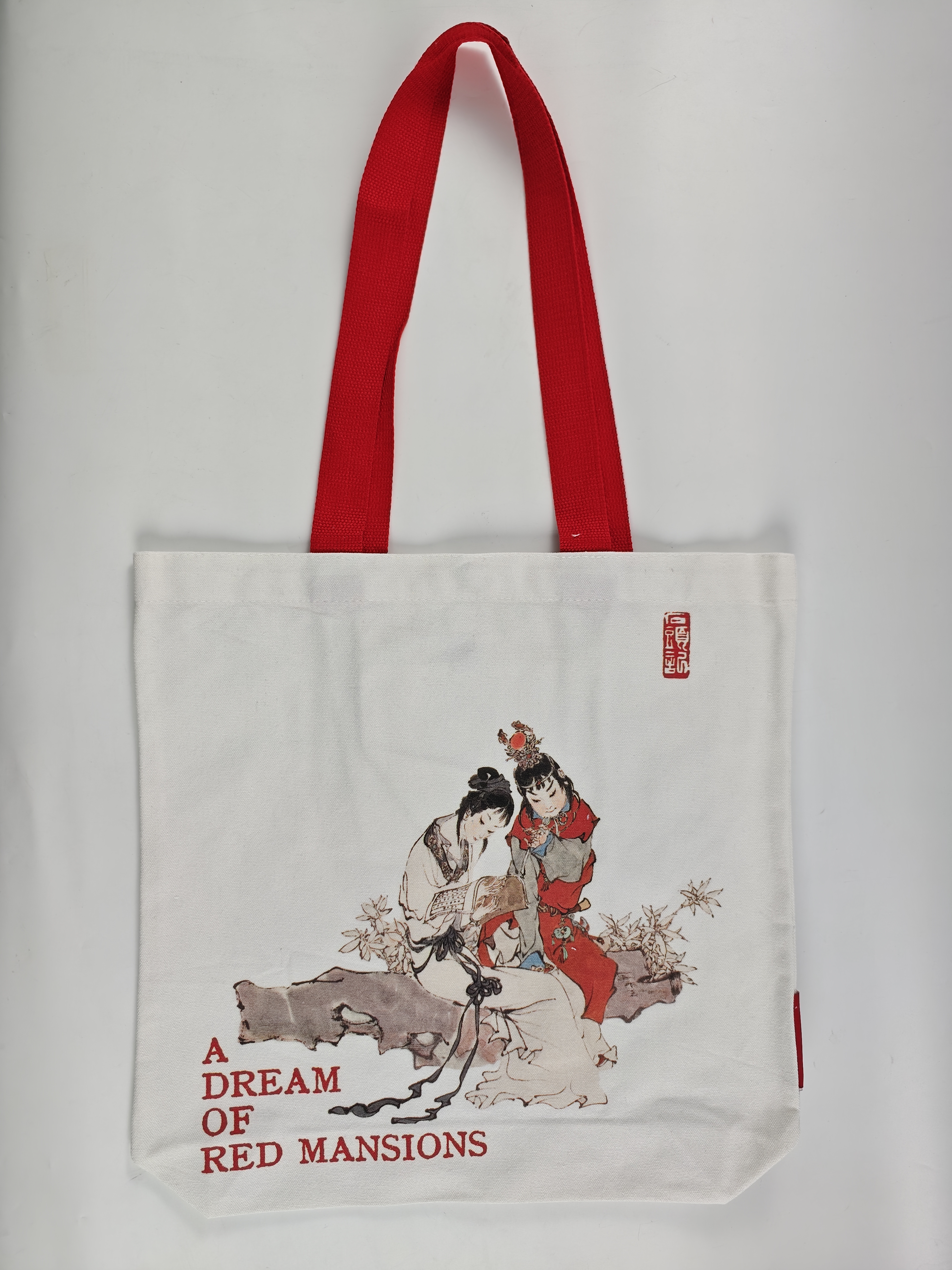
การเปลี่ยนเนื้อหาหนังสือให้กลายเป็นผลิตภัณฑ์ทางกายภาพที่จับต้องได้และใช้งานได้จริง ซึ่งขยายประสบการณ์การอ่านเข้าสู่ชีวิตประจำวัน คือแบบจำลองพื้นฐานที่สุดและสามารถดำเนินการได้ง่ายที่สุดสำหรับสำนักพิมพ์ในการสร้างผลิตภัณฑ์เชิงวัฒนธรรมและสร้างสรรค์ แบบจำลองนี้มุ่งเน้นที่เนื้อหาของหนังสือ โดยสำรวจองค์ประกอบทางวัฒนธรรมที่แฝงอยู่เพื่อพัฒนาผลิตภัณฑ์ต่าง ๆ เช่น ที่คั่นหนังสือ สมุดบันทึก เครื่องเขียน เกมกระดาน และเฟอร์นิเจอร์สำหรับตกแต่งบ้าน ทั้งนี้เพื่อเปลี่ยนมูลค่าเชิงจิตวิญญาณจากการอ่านให้กลายเป็นมูลค่าเชิงปฏิบัติ และบรรลุผลลัพธ์เชิงเพิ่มมูลค่าในรูปแบบ "หนึ่งเล่ม หลายผลิตภัณฑ์"
สำนักพิมพ์วรรณกรรมประชาชน ภายใต้แบรนด์ 'สมบัติทางมนุษยศาสตร์' ได้ใช้สิทธิ์ในทรัพย์สินทางปัญญา (IP) ของวรรณกรรมคลาสสิกเป็นฐานในการพัฒนาผลิตภัณฑ์วัฒนธรรมและสร้างสรรค์ที่เกี่ยวข้องกับลู่ซวินจนมีจำนวนเกือบ 200 รายการ ตั้งแต่ที่คั่นหนังสือที่มีคำคมทองคำและแม่เหล็กติดตู้เย็น ไปจนถึงกระเป๋าเป้สะพายหลังที่มีข้อความว่า 'ภาระแห่งการไตร่ตรอง' ซึ่งแต่ละผลิตภัณฑ์ล้วนสะท้อนจิตวิญญาณของผลงานลู่ซวินอย่างใกล้ชิด ทั้งยังรักษาเอกลักษณ์ทางวัฒนธรรมไว้ได้อย่างมั่นคง ขณะเดียวกันก็ตอบโจทย์ความต้องการด้านความงามของคนรุ่นใหม่ ในงานมหกรรมหนังสือเซี่ยงไฮ้ 2025 เสื้อกันหนาวขนสัตว์แบบจำลองที่ลู่ซวินเคยสวมใส่ ซึ่งได้รับความนิยมจากบุคคลสำคัญอย่างโม่เหยียนและหม่าเหวยตู้ ได้กลายเป็นไอเทมแฟชั่นชิ้นหนึ่ง ส่งผลให้ยอดขายผลิตภัณฑ์วัฒนธรรมและสร้างสรรค์ที่เกี่ยวข้องเพิ่มสูงขึ้นอย่างมาก และสร้างการเข้าถึงออนไลน์ได้มากกว่า 200 ล้านครั้ง
สำนักพิมพ์ประชาชนเสฉวน ซึ่งตั้งอยู่บนพื้นฐานลักษณะเฉพาะของภูมิภาค ได้เปิดตัวไอพีแพนด้าที่ออกแบบเองภายใต้ชื่อ "จวานเป่า" พร้อมพัฒนาผลิตภัณฑ์เชิงวัฒนธรรมและสร้างสรรค์มากกว่า 50 รายการ รวมถึงตุ๊กตาสัตว์นุ่มฟู กระเป๋าเป้สะพายหลัง และเข็มกลัด ด้วยการใช้โอกาสจากการส่งออกสิทธิ์ในการจัดพิมพ์หนังสือเป็นประโยชน์ สำนักพิมพ์ฯ สามารถกำหนดกลุ่มเป้าหมายผู้ชื่นชอบแพนด้าในต่างประเทศได้อย่างแม่นยำ ทำให้วัฒนธรรมเสฉวนแพร่กระจายไปทั่วโลกผ่านผลิตภัณฑ์เชิงวัฒนธรรมและสร้างสรรค์ รูปแบบ "เนื้อหา + สถานการณ์" นี้ไม่เพียงแต่ลดอุปสรรคในการเข้าสู่ธุรกิจเชิงวัฒนธรรมและสร้างสรรค์เท่านั้น แต่ยังช่วยให้มูลค่าทางวัฒนธรรมของงานจัดพิมพ์เข้าถึงฐานผู้บริโภคที่กว้างขึ้นอีกด้วย จนกลายเป็น "ตัวเลือกอันดับหนึ่ง" สำหรับสำนักพิมพ์ที่ต้องการขยายขอบเขตสู่สาขาอื่น
การปรับรูปสัญลักษณ์และการสร้างแบรนด์ไอพี: จากผู้ให้บริการเนื้อหาสู่ผู้ดำเนินงานด้านวัฒนธรรม
หากการขยายขอบเขตการใช้งานของผลิตภัณฑ์เป็นการ "ทดลองใช้งานจริง" แล้ว การสร้างแบรนด์ทรัพย์สินทางปัญญา (IP) ก็ถือเป็น "เส้นทางขั้นสูง" สำหรับอุตสาหกรรมการจัดพิมพ์และอุตสาหกรรมสร้างสรรค์เชิงวัฒนธรรม ผลิตภัณฑ์ที่โดดเด่นในด้านการจัดพิมพ์และงานสร้างสรรค์เชิงวัฒนธรรมนั้นได้ก้าวข้ามระดับเพียง "สินค้า" มาอย่างยาวนาน จนกลายเป็นตัวแทนสัญลักษณ์ทางวัฒนธรรมและสื่อสารคุณค่าเชิงอารมณ์ สำนักพิมพ์โดยการสกัดองค์ประกอบหลักจากเนื้อหาคลาสสิกและแบรนด์ของตนเอง สามารถสร้างภาพลักษณ์ IP ที่มีความจดจำสูง ซึ่งนำไปสู่การยกระดับบทบาทจาก "ผู้ให้เนื้อหา" สู่ "ผู้ดำเนินการสัญลักษณ์ทางวัฒนธรรม"
นอกเหนือจากลูซวิน (Lu Xun) ไอพีแล้ว ไอพี "การตามหาสมบัติยิ่งใหญ่ของจีน" ที่จัดทำร่วมกันโดยสำนักพิมพ์เซ่อชื่อสื่อศตวรรษที่ 21 และบริษัทจิงติง แอนิเมชัน (Jingding Animation) ก็ได้สร้างเส้นทางที่สุกงอมสำหรับการพาณิชย์ของไอพีขึ้นมาอย่างมั่นคง โดยอาศัยฐานผู้อ่านหนังสือชุด "การตามหาสมบัติยิ่งใหญ่ของจีน" ที่มีจำนวนหลายร้อยล้านคน แบรนด์สินค้าวัฒนธรรมและสร้างสรรค์ "ติงกัวกัว เทรนดี้ทอยส์" (Dingguagua Trendy Toys) จึงถูกเปิดตัวขึ้น และพัฒนาผลิตภัณฑ์เสริมต่างๆ อาทิ ของเล่น เครื่องเขียน และเครื่องแต่งกาย ซึ่งสินค้าสามรายการในจำนวนนี้ได้รับรางวัลจากการประกวดของเล่นจีน-ต่างประเทศ ปี 2025 (China and Foreign Toy Awards) และรางวัลของเล่นเทรนดี้จีน-ต่างประเทศ (China and Foreign Trendy Toy Awards) ผ่านการให้สิทธิ์ใช้ไอพี (IP licensing) และความร่วมมือข้ามอุตสาหกรรม ไอพี "การตามหาสมบัติยิ่งใหญ่ของจีน" จึงบรรลุการพัฒนาแบบครบวงจร ตั้งแต่หนังสือไปจนถึงสินค้าวัฒนธรรมและสร้างสรรค์ แอนิเมชัน และกิจกรรมออฟไลน์ จนก่อร่างเป็นระบบนิเวศไอพี (IP ecosystem) ที่สมบูรณ์แบบ
สำนักพิมพ์ระบบประชาธิปไตยและกฎหมายแห่งประเทศจีน ซึ่งอาศัยจุดแข็งด้านวิชาชีพของตน ได้สร้างแบรนด์สินค้าเชิงวัฒนธรรมและสร้างสรรค์ภายใต้ชื่อ "เวิร์กชอปหมายเลข 7" และเปิดตัวผลิตภัณฑ์เชิงวัฒนธรรมและสร้างสรรค์ชุด "รู้กฎหมายและปฏิบัติตามกฎหมาย ประชาชนผู้มีจิตสำนึก" ซึ่งการออกแบบเหล่านี้สอดคล้องกับประเด็นทางสังคมในปัจจุบัน จึงได้รับการสั่งซื้อจำนวนมากจากห้างหนังสือ ในปี ค.ศ. 2026 สำนักพิมพ์ดังกล่าวจะมุ่งเน้นการพัฒนาไอพี (IP) "เป่า กง" อย่างครอบคลุม โดยดำเนินการทั้งในรูปแบบข้อความ ภาพ ภาพเสียง และวิดีโอ รวมถึงผลิตภัณฑ์เชิงวัฒนธรรมและสร้างสรรค์ ทั้งนี้ มีแผนจะเปิดตัวไอพีดังกล่าวในตลาดการท่องเที่ยวเชิงวัฒนธรรม เช่น เมืองไคเฟิงและเหอเฟย รวมทั้งขยายสู่ตลาดต่างประเทศ เช่น ประเทศไทย การดำเนินงานบนพื้นฐานไอพีนี้ช่วยเสริมสร้างมูลค่าเชิงวัฒนธรรมของการพิมพ์อย่างต่อเนื่อง และทำให้สำนักพิมพ์สามารถสร้างจุดแข็งด้านแบรนด์ที่โดดเด่นในการแข่งขันทางการตลาด
การผสานเทคโนโลยีและการยกระดับการเล่าเรื่อง: การปลุกคุณค่าเชิงวัฒนธรรมด้วยเทคโนโลยี
ในยุคดิจิทัล การผสานรวมระหว่างเทคโนโลยีกับวัฒนธรรมได้เปิดโอกาสใหม่ๆ สำหรับการจัดพิมพ์และผลิตภัณฑ์ทางวัฒนธรรมและสร้างสรรค์ สำนักพิมพ์ต่างๆ กำลังใช้เทคโนโลยีใหม่ๆ เช่น XR, AR, แอนิเมชัน และวิดีโอสั้น เพื่อทำลายข้อจำกัดของข้อความแบบสองมิติ โดยเปลี่ยนเนื้อหาที่อยู่นิ่งให้กลายเป็นประสบการณ์ที่ดื่มด่ำและมีปฏิสัมพันธ์ ซึ่งช่วยนำเสนอความหมายเชิงวัฒนธรรมได้อย่างมีชีวิตชีวาและเข้าใจได้ง่ายยิ่งขึ้น จนเกิดการยกระดับรูปแบบการเล่าเรื่องเนื้อหา
การดำเนินงานของสำนักพิมพ์ซินหัวในด้านนี้ถือว่าค่อนข้างเป็นตัวแทนอย่างยิ่ง ในเดือนตุลาคม 2025 ร้านประสบการณ์เชิงวัฒนธรรมและสร้างสรรค์แบบอินเทอร์แอคทีฟแห่งแรกของสำนักข่าวซินหัวได้เปิดให้บริการที่เซี่ยงไฮ้ และในปี 2026 สำนักข่าวฯ จะจัดตั้งร้านวัฒนธรรมและสร้างสรรค์ธีมสีแดงขึ้นโดยอิงจากพื้นที่อ่านหนังสือ "เทียนอัน-ซินหัว" ที่จัตุรัสเทียนอันเหมิน โดยใช้เทคโนโลยี XR อย่างสร้างสรรค์ เพื่อให้ผู้เข้าชมสามารถสัมผัสวัฒนธรรมสีแดงได้อย่างลึกซึ้งและมีส่วนร่วม ซึ่งนำไปสู่การบูรณาการอย่างลึกซึ้งระหว่างประสบการณ์ทางวัฒนธรรมกับการบริโภคสินค้าวัฒนธรรมและสร้างสรรค์ รูปแบบนี้ที่ผสมผสาน "เทคโนโลยี + วัฒนธรรม" ไม่เพียงแต่ช่วยเสริมสร้างความสนุกสนานและเสน่ห์ดึงดูดของสินค้าวัฒนธรรมและสร้างสรรค์เท่านั้น แต่ยังยืดอายุการใช้งานของทรัพย์สินทางปัญญา (IP) ด้วย ทำให้วัฒนธรรมคลาสสิกสามารถแผ่รัศมีแห่งพลังชีวิตใหม่ในยุคดิจิทัล
สำนักพิมพ์จี๋หลิน เซี่ยนเชี่ยเหอ เทคโนโลยี อาศัยความเชี่ยวชาญลึกซึ้งด้านแพทย์แผนจีนเปิดตัวชุดผลิตภัณฑ์วัฒนธรรมและสร้างสรรค์ "ห้ององค์ประกอบทั้งห้าและพลังงานทั้งหก" โดยผสานเทคโนโลยีดิจิทัลเข้ากับเนื้อหา เพื่อทำให้วัฒนธรรมแพทย์แผนจีนเข้าถึงได้ง่ายขึ้นและใกล้เคียงกับชีวิตประจำวันมากยิ่งขึ้น ตัวละครไอพีต้นฉบับล่าสุดของสำนักพิมพ์ คือ "เยา ปู้หราน" เด็กหนุ่มผู้เชี่ยวชาญด้านสมุนไพร ก็ถูกเผยแพร่ผ่านการ์ตูนและวิดีโอสั้น ซึ่งช่วยขยายอิทธิพลของแบรนด์ให้กว้างขึ้นอีกด้วย การเสริมพลังด้วยเทคโนโลยีทำให้อุตสาหกรรมการพิมพ์และผลิตภัณฑ์วัฒนธรรมและสร้างสรรค์สามารถหลุดพ้นจากภาวะ "เฉพาะกลุ่ม" และ "เนื้อหาซ้ำซาก" ไปสู่ตลาดที่กว้างขึ้น
แนวคิดแพลตฟอร์มและการผสานรวมระบบนิเวศ: การสร้างห่วงโซ่ธุรกิจที่ยั่งยืน
หากสามแนวทางแรกนี้แสดงถึง "การก้าวกระโดดแบบจุดเดียว" แล้ว การคิดเชิงแพลตฟอร์มจะแทนที่ "การวางกลยุทธ์แบบภาพรวม" สำหรับการเผยแพร่และการสร้างสรรค์วัฒนธรรม ด้วยการแข่งขันในอุตสาหกรรมที่รุนแรงยิ่งขึ้น ทรัพยากรและศักยภาพของสำนักพิมพ์เพียงแห่งเดียวจึงมีข้อจำกัด การสร้างแพลตฟอร์มข้ามอุตสาหกรรมและการผสานรวมทรัพยากรภายในอุตสาหกรรมเพื่อบรรลุการบูรณาการเชิงนิเวศของ "การเผยแพร่ + การท่องเที่ยวเชิงวัฒนธรรม + การจัดทัศนศึกษา + การค้าข้ามพรมแดน" จึงกลายเป็นแนวโน้มที่หลีกเลี่ยงไม่ได้ต่อการพัฒนาคุณภาพสูงของการเผยแพร่และการสร้างสรรค์วัฒนธรรม
ในเดือนตุลาคม 2568 คณะกรรมการทำงานด้านการพิมพ์และนวัตกรรมทางวัฒนธรรมของสมาคมผู้จัดพิมพ์จีนได้จัดตั้งขึ้นอย่างเป็นทางการ โดยมีสมาชิกก่อตั้งมากกว่า 90 ราย ซึ่งกลายเป็นแพลตฟอร์มสำคัญในการส่งเสริมการพัฒนาที่สอดคล้องกันระหว่างอุตสาหกรรมการพิมพ์และนวัตกรรมทางวัฒนธรรม ที่งานหนังสือปักกิ่ง 2569 คณะกรรมการฯ ได้ประกาศ "ร่างข้อเสนอแนะของคณะกรรมการทำงานด้านการพิมพ์และนวัตกรรมทางวัฒนธรรมของสมาคมผู้จัดพิมพ์จีน ว่าด้วยการส่งเสริมการพัฒนาคุณภาพสูงของอุตสาหกรรมการพิมพ์และนวัตกรรมทางวัฒนธรรม" ซึ่งเสนอ "มาตรการส่งเสริมนวัตกรรมทางวัฒนธรรม 10 ประการ" ครอบคลุมหลายด้าน เช่น การวางแผน การพัฒนาบุคลากร การขยายช่องทางการจัดจำหน่าย และการขยายตลาดไปยังต่างประเทศ ทั้งนี้เพื่อวางแนวทางปฏิบัติสำหรับการพัฒนาอุตสาหกรรม
ในทางปฏิบัติ สำนักพิมพ์หลายแห่งได้เริ่มดำเนินการผสานรวมระบบนิเวศแล้ว สำนักพิมพ์ประชาชนเสฉวนมุ่งเน้นการผสานรวมระหว่าง "การพิมพ์ + การท่องเที่ยวเชิงวัฒนธรรม" โดยนำทรัพย์สินทางปัญญา (IP) ชุด "จวันเป่า" ของตนมาผสานเข้ากับแหล่งทรัพยากรการท่องเที่ยวเชิงวัฒนธรรมบาซู่ เพื่อเปิดตัวผลิตภัณฑ์ทัวร์เพื่อการเรียนรู้ ซึ่งช่วยให้ผู้อ่านได้สัมผัสเสน่ห์ของวัฒนธรรมไปพร้อมกับการเดินทาง สำนักพิมพ์ซินหัว ผ่านบริษัทลูกที่ถือหุ้นทั้งหมด นำการพัฒนาผลิตภัณฑ์เชิงวัฒนธรรมและสร้างสรรค์ รวมทั้งการเปลี่ยนผ่านสู่ดิจิทัล พร้อมปรับปรุงกระบวนการทั้งสายงานตั้งแต่ "การผลิตเนื้อหา ไปจนถึงการพัฒนาผลิตภัณฑ์เชิงวัฒนธรรมและสร้างสรรค์ จนถึงการขายสู่ตลาด" ผลิตภัณฑ์ยอดนิยมของสำนักพิมพ์ เช่น ชุดโปสต์การ์ด "วิคทอรี" เกิดขึ้นจากการเร่งพัฒนาอย่างรวดเร็วด้วยการใช้ประโยชน์จากข้อได้เปรียบของแพลตฟอร์ม
นอกจากนี้ การขยายตัวข้ามพรมแดนได้กลายเป็นทิศทางสำคัญสำหรับการบูรณาการระบบนิเวศการพิมพ์ วัฒนธรรม และความคิดสร้างสรรค์ ผู้จัดพิมพ์จำนวนมากขึ้นเรื่อยๆ ใช้แพลตฟอร์มข้ามพรมแดนเพื่อส่งเสริมผลิตภัณฑ์ทางวัฒนธรรมและความคิดสร้างสรรค์สไตล์จีนสู่โลก ขยายช่องทางการพิมพ์ไปสู่ระดับโลก และช่วยให้การเผยแพร่วัฒนธรรมจีนดั้งเดิมอันยอดเยี่ยมไปสู่ระดับสากลผ่านสื่อทางวัฒนธรรมและความคิดสร้างสรรค์ ลิขสิทธิ์ "จวนเป่า" ของสำนักพิมพ์ประชาชนเสฉวน และลิขสิทธิ์ "เป่ากง" ของสำนักพิมพ์ประชาธิปไตยและกฎหมายแห่งประเทศจีน กำลังขยายตัวอย่างแข็งขันสู่ตลาดต่างประเทศ กลายเป็นเครื่องมือสำคัญในการบอกเล่าเรื่องราวของจีน
แน่นอนว่าเส้นทางข้ามพรมแดนของอุตสาหกรรมการจัดพิมพ์และอุตสาหกรรมวัฒนธรรมกับสร้างสรรค์นั้นมิได้ปราศจากความท้าทาย ปัจจุบัน อุตสาหกรรมยังคงเผชิญกับความท้าทายต่างๆ เช่น การพัฒนาทรัพย์สินทางปัญญา (IP) ที่ยังไม่เพียงพอ การแข่งขันที่มีลักษณะคล้ายคลึงกันอย่างรุนแรง ขาดแคลนบุคลากรผู้เชี่ยวชาญ และศักยภาพในการดำเนินงานตลาดที่ยังไม่เพียงพอ อย่างไรก็ตาม ก็ไม่อาจปฏิเสธได้ว่าผลิตภัณฑ์วัฒนธรรมและสร้างสรรค์ได้กลายเป็นเครื่องมือสำคัญที่ขับเคลื่อนการผสานรวมและการเปลี่ยนแปลงของอุตสาหกรรมการจัดพิมพ์ รวมทั้งเป็นพลังหลักที่ผลักดันให้อุตสาหกรรมการจัดพิมพ์ก้าวผ่านจาก "การผลิตเนื้อหา" สู่ "การขยายคุณค่า"
ผู้เชี่ยวชาญในอุตสาหกรรมโดยทั่วไปเชื่อว่า จุดแข็งด้านการแข่งขันหลักของผลิตภัณฑ์วัฒนธรรมและสร้างสรรค์ในปัจจุบันไม่ใช่ "เนื้อหาเอง" อีกต่อไป แต่กลับเป็น "การดำเนินงานแบบเป็นระบบเพื่อสร้างมูลค่าจากเนื้อหา" แทน ในอนาคต สำนักพิมพ์จำเป็นต้องขัดเกลาแก่นแท้ด้านวัฒนธรรมอย่างลึกซึ้งด้วยคุณสมบัติวิชาชีพของผู้ประกอบการสำนักพิมพ์; ยกระดับประสบการณ์ของผู้ใช้ด้วยแนวคิดอันเฉียบแหลมของผู้จัดการผลิตภัณฑ์; และผสานทรัพยากรในอุตสาหกรรมด้วยมุมมองเชิงแพลตฟอร์มระยะยาว เท่านั้นจึงจะสามารถสร้างผลิตภัณฑ์วัฒนธรรมและสร้างสรรค์ที่ไม่เพียงแต่ได้รับการยอมรับจากตลาด แต่ยังสื่อสารพลังแห่งวัฒนธรรมได้อย่างแท้จริง จนบรรลุการก้าวกระโดดด้านมูลค่าของอุตสาหกรรมสำนักพิมพ์อย่างแท้จริง
ตั้งแต่ผลิตภัณฑ์เชิงวัฒนธรรมและสร้างสรรค์ที่พัฒนาขึ้นจากหนังสือเล่มเดียว ไปจนถึงการดำเนินงานแบบครบวงจรของทรัพย์สินทางปัญญา (IP) และต่อเนื่องไปสู่การก่อสร้าง "ระบบนิเวศการจัดพิมพ์ขนาดใหญ่" ทุกขั้นตอนของการสำรวจในการพัฒนาผลิตภัณฑ์เชิงวัฒนธรรมและสร้างสรรค์ด้านการจัดพิมพ์นั้น ล้วนเป็นการปฏิบัติอย่างมีชีวิตชีวาในการยึดมั่นในความซื่อสัตย์และความคิดสร้างสรรค์ของอุตสาหกรรมการจัดพิมพ์ ภายใต้บริบทของการสร้างประเทศให้มีพลังด้านวัฒนธรรมอย่างแข็งแกร่ง จึงเชื่อกันว่าด้วยการมีส่วนร่วมอย่างกระตือรือร้นและการผสานรวมข้ามอุตสาหกรรมของสำนักพิมพ์เพิ่มมากขึ้น ผลิตภัณฑ์เชิงวัฒนธรรมและสร้างสรรค์ด้านการจัดพิมพ์จะกลายเป็นแรงขับเคลื่อนสำคัญที่ส่งเสริมความรุ่งเรืองและการพัฒนาของวัฒนธรรมอย่างแน่นอน และเขียนบทใหม่แห่งการพัฒนาคุณภาพสูงของอุตสาหกรรมการจัดพิมพ์
 ข่าวร้อนแรง
2026-03-17
2026-02-02
2026-01-09

Fujian Xinhua Impression Culture & Technology Co., Ltd. is born from the legacy of Straits Publishing House and Xinhua Printing, carrying forward a deep foundation in culture while embracing the creative language of the contemporary world.