EN
EN

Lu Xun blind boxes and wool vests sold like hotcakes, the number of cultural and creative product booths increased by a third, and discussions arose about "how publishers can transform their DNA when engaging in cultural and creative products." At the recently concluded 2026 Beijing Book Fair, publishing and cultural and creative products generated numerous trending topics for the industry, media, and readers. Behind this surge lies a vivid microcosm of the shift from individual publishers' trial runs to the entire industry's active exploration.
Accompanying this enthusiasm are sobering reflections on homogeneous competition, insufficient market operation capabilities, and superficial IP development. In response, a reporter from *China Press and Publication Radio and Television News* interviewed several publishers involved in cultural and creative products to discuss the difficulties, reflections, and coping strategies encountered in developing such businesses.

Why the constant struggle between culture and commerce?
Emphasizing cultural sophistication risks alienating the public, while catering to the market risks being swayed by popular trends. This dilemma of balancing culture and commerce is a "sweet problem" for publishers engaging in cultural and creative products. How to create bestsellers while maintaining cultural integrity remains a perpetual challenge.
Cultural and creative products inherently possess both "cultural" and "commercial" attributes. For publishers, this is often seen as a dilemma: emphasizing cultural sophistication risks alienating the masses, while catering to the market risks being swayed by popular trends. What appears to be a struggle between two attributes is actually a matter of balancing the publisher's cultural responsibility, institutional mechanisms, and market demands.
Do publishers need to change their mindset and transform their DNA to engage in cultural and creative work? In response to this question, Kuang Rui, director of the Cultural and Creative Department of People's Literature Publishing House, replied: "Doing a good job in cultural and creative work does require a shift in mindset, and it requires professional personnel. However, this does not mean that publishing staff are incapable of doing a good job in cultural and creative work. The key lies in the transformation of the mechanism, that is, establishing corresponding incentive mechanisms to allow professionals to unleash their potential." This mechanism transformation is urgent. Wen Pei, a member of the "Workshop No. 7" cultural and creative team at China Democracy and Legal System Publishing House, stated that producing good cultural and creative products requires a rapid response to market changes, but the inherent management system and decision-making processes of publishing houses make it difficult to adjust strategies as flexibly as market-oriented enterprises. Furthermore, many publishing houses possess high-quality content IP, but lack the systematic capabilities for IP positioning, incubation, amplification, and commercialization. “IP operation is not just about licensing and production; it also involves content re-creation, cross-media storytelling, fan community operation, and the construction of a sustainable product ecosystem. This poses new requirements for the talent structure and knowledge reserves of traditional publishing.” Xinhua Publishing House’s practice provides one approach. In 2025, its wholly-owned subsidiary, Beijing Xinhua Audio-Visual Electronic Publishing Co., Ltd., took the lead in designing, developing, and producing “Xinhua News Agency Cultural and Creative Products,” as well as related businesses related to Xinhua Publishing House’s digital transformation and integrated development. Shen Jian, Vice President and Director of Xinhua Publishing House, explained that its hit products, such as the “Victory” series of postcards, were the result of rapid incubation after capturing the needs of young people from book fairs and social media platforms. “To create good cultural and creative products, we must adhere to three points: ensure the content is not abstract and has cultural connotations, avoiding the piling up of elements; ensure the scenarios are relevant, grounding it in high-frequency scenarios such as gifts, parent-child activities, and daily life; and ensure the market is not closed off, allowing cultural and creative products to truly enter consumption scenarios, rather than remaining merely for self-expression,” said Shen Jian.

What internal skills are needed to succeed in IP operation?
Years of exploration have led more publishers to realize that IP operation is the key to breaking through the limitations of publishing and cultural and creative products. How to leverage one's own unique characteristics and strengths to refine the core of culture, address shortcomings in market and brand operations, and expand the "circle of friends" for integrated innovation has become an essential course for publishing houses.


IP operation is key to breaking through the limitations of publishing and cultural creation. It transforms book content into sustainably developable cultural assets, injecting unique stories and emotional value into products; by building a reader ecosystem and cross-media development, it propels publishing houses to upgrade from "content providers" to "cultural brand operators."
The success of IP stems first and foremost from the accurate extraction and creative transformation of cultural connotations. In 2025, the sales of People's Literature Publishing House's "Humanities Treasures" reached over 30 million yuan. Similarly telling stories about Lu Xun, "Humanities Treasures," relying on in-depth interpretation and creative transformation of classic literary IPs, aptly interprets the "spiritual state" of young readers. During the 2025 Shanghai Book Fair, the replica of "Lu Xun's woolen vest" became a hit. After being worn by Nobel laureate Mo Yan and collector Ma Weidu, the product became a fashion item, generating over 200 million online impressions. Kuang Rui introduced that there are currently nearly 200 products related to the "Humanities Treasure" Lu Xun IP, with "golden quote" bookmarks and refrigerator magnets being popular among readers. Backpacks featuring "ideological burdens" and "literary burdens" were in high demand at book fairs in Beijing and Shanghai.


Differentiated competition requires publishers to return to their most unique resources. Relying on regional characteristics, in 2025, Sichuan People's Publishing House launched more than 170 cultural and creative products in over 10 series, focusing on red themes, intangible cultural heritage, Bashu culture, brand extension, and cultural tourism integration. Among them, the self-designed core cultural and creative IP—the panda brand "Juanbao"—has become a hit. According to Sun Xiaoping, director of the product department of Sichuan People's Publishing House, "Juanbao" has already launched more than 50 cultural and creative products, including panda plush toys, backpacks, and badges. Leveraging the successful export of book copyrights, the company precisely expanded its overseas panda fan base and distribution channels. Tailoring to overseas market demands, the team created several panda-themed cultural and creative products, which have been well-received by overseas consumers.
Starting in 2024, Mu Simeng, director of the Cultural and Creative Department of Jilin Science and Technology Press, and his team embarked on a journey to develop the press's cultural and creative brand, "Wanli Jiaji," from scratch. Through repeated research, trial and error, and subsequent reviews, they ultimately selected the traditional Chinese medicine field and the cultural tourism and ice and snow culture—areas deeply rooted in the press—as their main product lines. In two years, they launched over 130 products in series such as "Wuyun Liuqi Tang," "Siji Changbai," and "Jiyue Yicheng." At the 2026 Beijing Book Fair, Jilin Science and Technology Press's latest original IP character, the medicine boy "Yao Buran," made its debut. In response, Mu Simeng stated, "What publishers need to do is calmly capture the emotions readers subtly perceive in the details of their lives and express them through appropriate cultural mediums." As a legal professional publishing institution, China Democracy and Legal System Publishing House officially established its cultural and creative brand "Workshop No. 7" in May 2024. Its "Knowing the Law, Abiding by the Law, and Being a Enthusiastic Citizen" series, launched based on its professional advantages and social hot topics, was showcased at major exhibitions in the fall of 2025 and subsequently secured bulk purchases from bookstores. According to Wen Pei, in 2026, the publishing house will prioritize the "Bao Gong" IP as a key project, developing it comprehensively from text, images, audio, and video content to cultural and creative products. The plan is to launch it domestically in cultural and tourism markets such as Kaifeng and Hefei, and initially promote it in overseas markets such as Thailand.
In an era of information overload, the influence of a single book medium is limited; cross-media development has become an essential path to expand the reach of an IP and extend its lifespan. Zhao Yun, Deputy General Manager of the Reading Promotion Division of 21st Century Publishing Group, frankly stated that relying solely on book IPs to "break out of the circle" is very difficult; it's also necessary to leverage transformation into multimedia media such as animation and film to enhance the commercial value of the IP.
The original IP "Greater China Treasure Hunt" by Jingding Animation is a prime example. In 2025, three cultural and creative products from "Greater China Treasure Hunt" won the 2025 China and Foreign Toy Awards and the China and Foreign Trendy Toy Awards. Leveraging the deep foundation of this billion-dollar IP, "Greater China Treasure Hunt" launched the cultural and creative brand "Dingguagua Trendy Toys." Jingding Animation is actively exploring the path of IP industrialization and is working with 21st Century Publishing Group to jointly promote the diversified development of the "Greater China Treasure Hunt" brand.

What is the future path for publishing and cultural and creative industries?
In 2025, the Publishing and Cultural Creative Working Committee of the China Publishers Association was established, and this year it released the "Initiative of the Publishing and Cultural Creative Working Committee of the China Publishers Association on Promoting High-Quality Development of Publishing and Cultural Creative Work," providing a roadmap for collaborative development for the industry, from top-level design, platform co-construction, talent cultivation to overseas expansion.
"The focus of publishing houses in developing cultural and creative products should ultimately be on intellectual property (IP)," Kuang Rui believes. Incubating their own IP is key to the high-quality development of publishing and cultural and creative products.
"Digitalization and immersive transformation are also important directions for our development this year. This process requires continuous exploration of the deep integration of technology and culture, and we have already taken steps in practice," Shen Jian introduced. He explained that Xinhua News Agency's first immersive cultural and creative experience store will open in Shanghai in October 2025, and in 2026, a red-themed cultural and creative store will be built on the basis of the "Tianan Xinhua Reading Space" in Tiananmen Square. This innovative approach combines red-themed cultural and creative products with XR technology, allowing visitors to experience red culture in an immersive way, achieving a deep integration of cultural experience and cultural and creative consumption, and creating a new, tangible red-themed cultural and creative consumption scenario.
The establishment of the Publishing and Cultural Creative Working Committee of the China Publishing Association in October 2025 marks a new stage of collaborative development for publishing and cultural and creative products. At the 2026 Beijing Book Fair, the China Publishers Association's Publishing and Cultural Creativity Working Committee released the "Initiative on Promoting High-Quality Development of Publishing and Cultural Creativity Work." This initiative outlines ten guidelines for member units to reference, covering five aspects: planning, system construction, platform building, channel expansion, and overseas expansion. These guidelines include: strengthening theoretical guidance on publishing and cultural creativity; conducting comprehensive research on publishing and cultural creativity; building an information platform for publishing and cultural creativity; establishing a mechanism for recommending excellent products; improving the mechanism for cultivating cultural and creative talents; building a cross-sectoral exchange platform; creating an integrated exhibition and marketing system; supporting the construction of a cultural and creative zone at the book fair; promoting the overseas expansion of high-quality publishing and cultural creativity; and supporting the internationalization of excellent traditional Chinese culture. The initiative closely aligns with industry realities, directly addressing the difficulties and challenges of integrating publishing and cultural creativity, and providing direction and long-term planning for the high-quality and international development of publishing and cultural creativity work.
The more discussion there is about publishing and cultural creativity, the higher the expectations. When we clarify our thinking, adjust in a timely manner, deeply refine the cultural core with the professional qualities of a publisher, polish the user experience with the keen thinking of a product manager, and carefully manage IP with the long-term vision of a builder, then those cultural and creative products that can not only win the favor of consumers and gain market recognition, but also soothe the soul and inspire thought will naturally become more attainable. This path is not easy, but it is precisely where the value of publishing houses lies.
Opening New Tracks, Embarking on a New Journey
Every era has its own characteristics in publishing, and every era has its own publishing derivatives. Publishing in our era, thanks to the efforts of cultural and creative industries, has been given new emotional value. New tracks are emerging, and the industry chain is being extended. Some international counterparts believe that, under the influence of cultural and creative industries, the publishing landscape is being reshaped. In the next step, editors who can only process text will no longer be competent in publishing work. Faced with this new scenario, excellent publishers must master comprehensive skills such as artificial intelligence, multimedia development, cultural and creative expansion, and IP operation, striving to open up new tracks and embark on a new journey.
The China Publishing Association moves with the times. On October 18, 2025, the Publishing and Cultural Creativity Working Committee of the China Publishers Association was officially established during the Tianfu Book Fair. With over 90 founding members, it has become one of the most dynamic working committees within the China Publishers Association. At the inaugural meeting, Wu Shulin, Chairman of the China Publishers Association, emphasized that the establishment of the Publishing and Cultural Creativity Working Committee is a proactive measure by the China Publishers Association to consciously practice Xi Jinping's thought on culture, contribute to the construction of a culturally strong nation, and implement the strategic deployment of deep integration and development of publishing. It is a conscious action of the publishing industry to uphold integrity and innovation and promote cultural prosperity; a beneficial exploration in building a new ecosystem for industrial development; and a positive measure to proactively respond to the new expectations of the people for spiritual and cultural life and expand new space for industry development.
There is no turning back once the arrow is released. To do a good job in publishing and cultural creativity, we must first answer three fundamental questions: What is publishing and cultural creativity? Why do we need to do publishing and cultural creativity? How can we do it well? These are new challenges presented to us by the times.
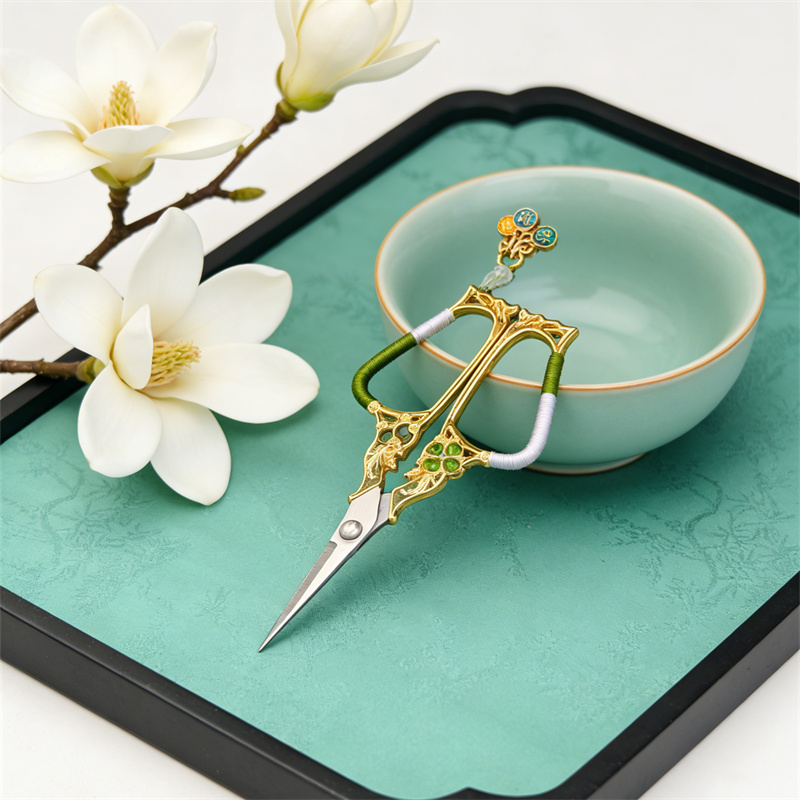
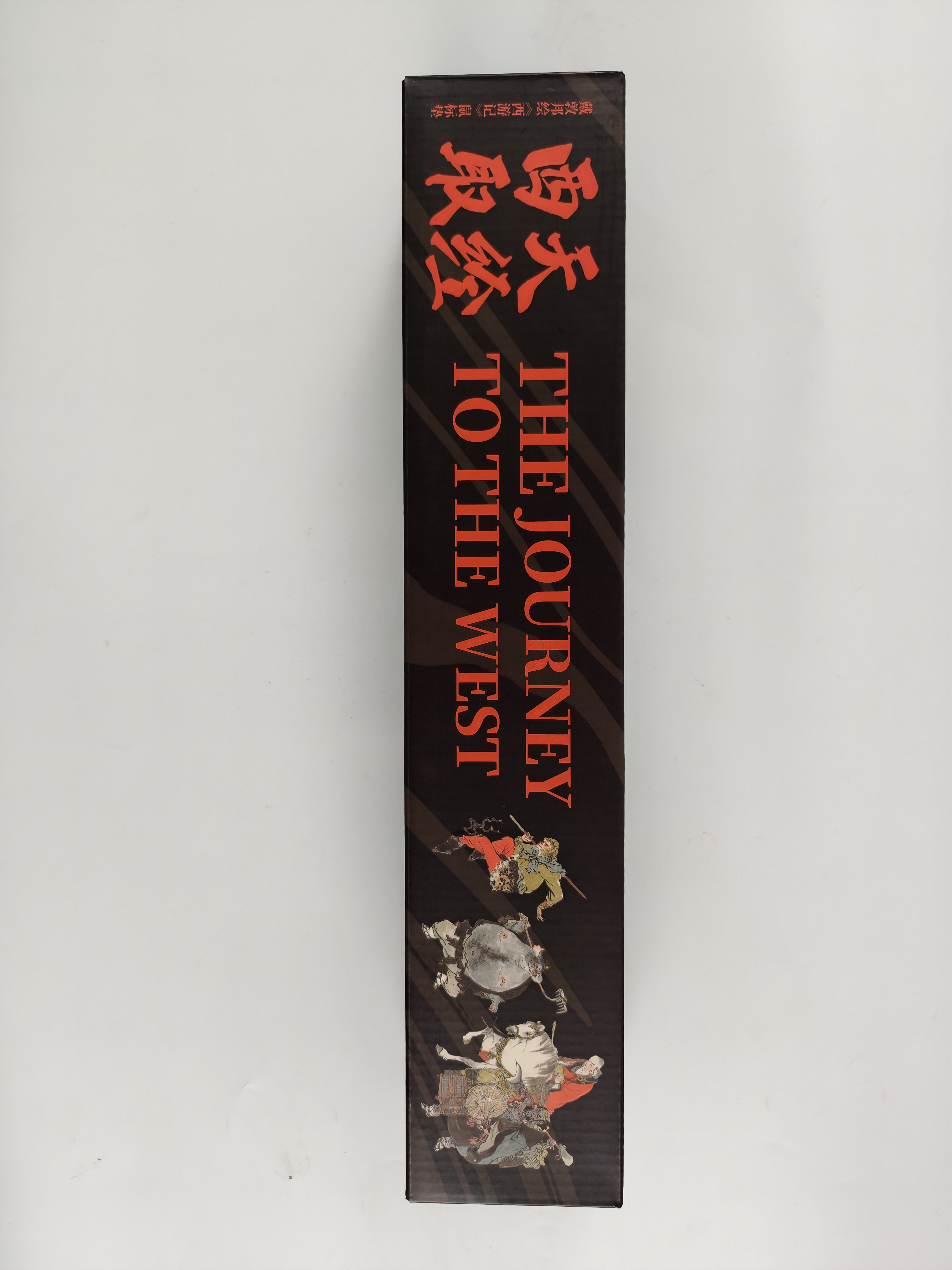
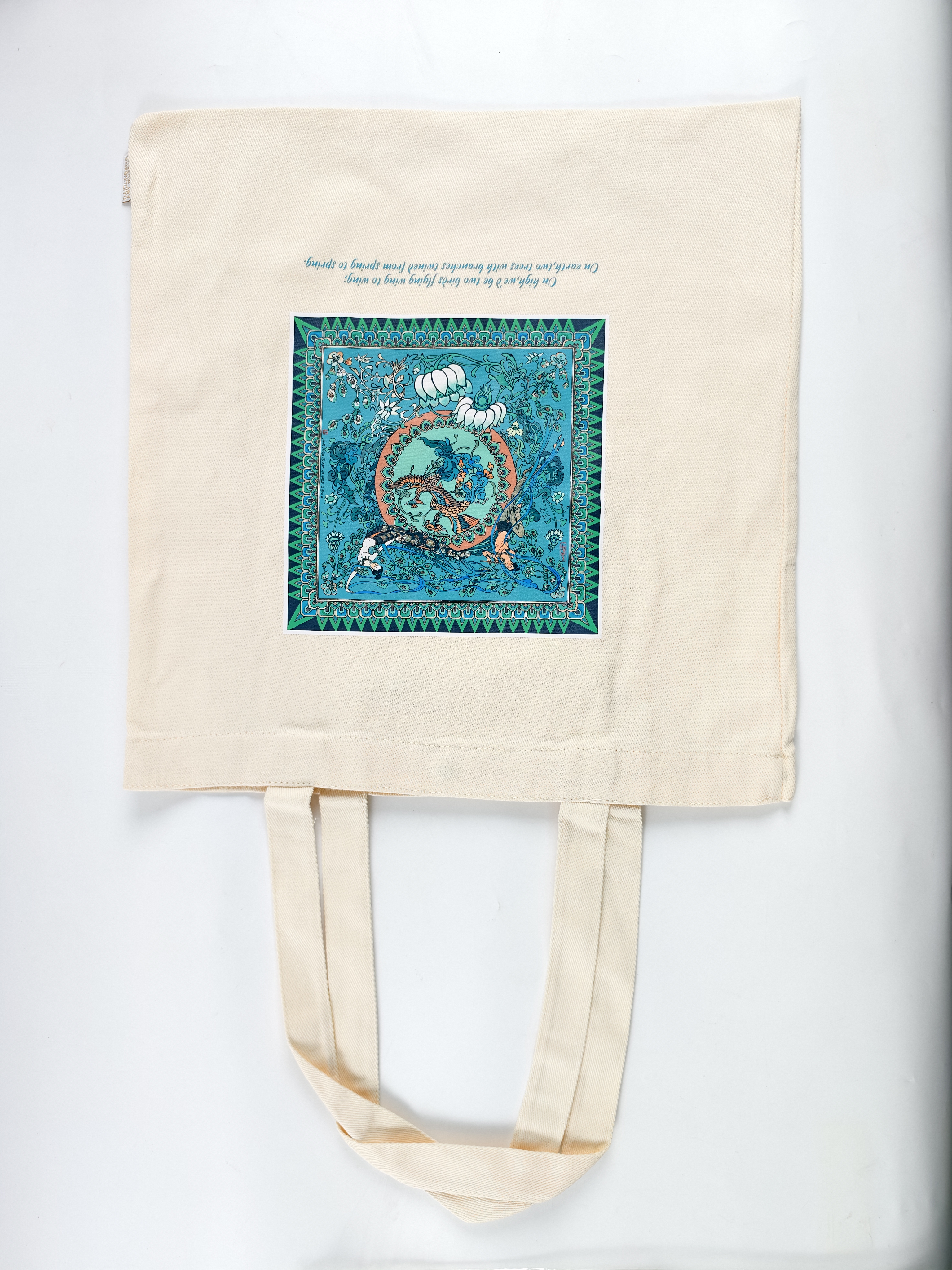
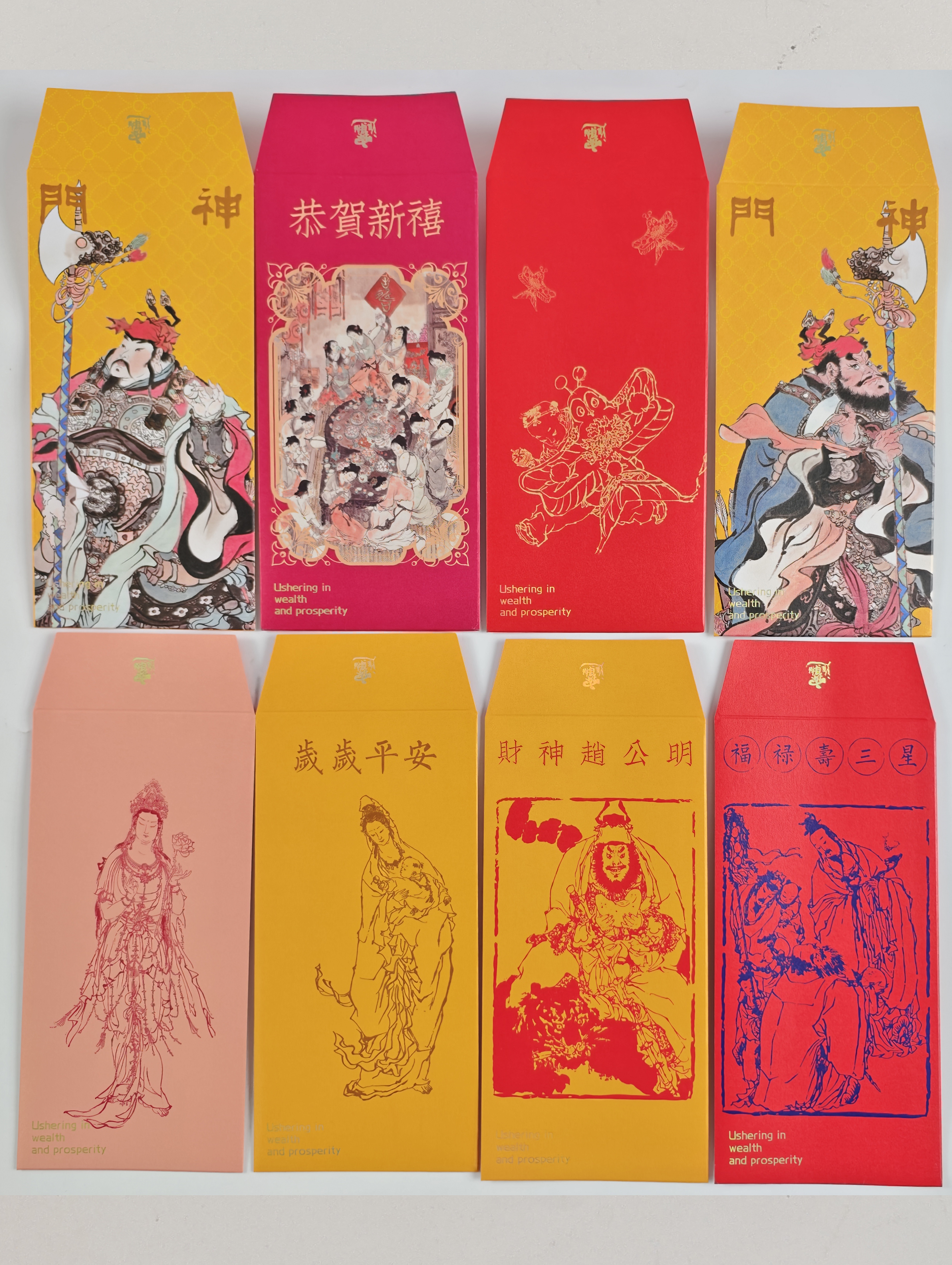
Publishing-related cultural and creative products refer to special products that combine the cultural elements of books with creative design, presented through different media and forms, possessing unique charm and cultural connotations. They are book derivatives that unify artistic value, use value, and commodity value. This is not only a new business model and path for promoting the integration and transformation of publishing, but also a new opportunity and space for driving a profound shift in publishing from "content production" to "value extension."
In practice, publishing-related cultural and creative products have become an important tool for broadening the channels for publishing to go global and enriching the forms of international cultural communication. They are also an effective vehicle for telling Chinese stories and enhancing cultural appeal. Chinese and foreign publishing institutions are actively carrying out related practices, gradually moving from product development and brand derivatives to well-known IP operation and licensing cooperation, with continuously enriching results and sustained growth in output value.
With the emergence of publishing-related cultural and creative product exhibitions in the public eye, some observant readers and industry insiders have expressed concerns on social media about whether publishers' involvement in cultural and creative products will affect their main business development. In fact, cultural and creative products are not divorced from the main business, but rather a reasonable extension of the publishing business. The key to judging whether it deviates from the main business lies in whether the development of cultural and creative products is based on the cultural core, rather than simply looking at the form. With the right approach, cultural and creative industries are not "neglecting our core business," but rather can broaden our main business and integrate with other industries.
At the same time, we are keenly aware that the publishing and cultural and creative industries still face some challenges: insufficient resource integration, inefficient market channels, an imperfect development mechanism, weak industry chain collaboration, a lack of industry standards, insufficient cultural exploration, a shortage of cross-disciplinary and professional talent, and the need to improve international communication capabilities.
From its inception, the Publishing and Cultural Creative Industry Working Committee has carefully studied and analyzed the realities and problems of the publishing and cultural and creative industries, clarified its work goals and directions, adhered to content as the foundation and value as the core, always focused on the main theme of "high-quality development," played a leading role, built cooperation platforms, promoted cross-sector integration, helped tell China's story well, and strengthened the training of talent in the publishing and cultural and creative industries.
Publishing and cultural and creative industries empower and nourish each other. To this end, the Publishing and Cultural Creative Industry Working Committee emphasizes adhering to the following principles: first, books as the foundation; second, creation as the application; third, copyright as the basis; and fourth, dual benefits as the priority. This means upholding the original aspiration of publishing, deeply cultivating content value, using creativity as the pen and culture as the ink, and on this basis, taking pragmatic measures to promote the leap from "content production" to "value extension" in book publishing.
Going a step further, the development of publishing and cultural creativity must not only be rooted in the fertile soil of local culture but also possess a global perspective, playing the role of "cultural ambassador" in Sino-foreign cultural exchanges, making publishing and cultural creativity a cultural bridge connecting the past and the future, China and the world, and making greater contributions to promoting the construction of a culturally strong nation and facilitating exchanges and mutual learning among human civilizations.
Since its establishment, the Publishing and Cultural Creativity Working Committee has adhered to the principles of leading with activities, linking with exhibitions, and uniting with services, taking solid steps on the path of exploring the deep integration of publishing and cultural creativity, and injecting new vitality and momentum into the high-quality development of the industry. The inaugural meeting also hosted an exchange and seminar on "Telling Chinese Stories with Cultural Creativity," gathering industry wisdom, clarifying the core mission of the Publishing and Cultural Creativity Working Committee—"rooted in culture, serving the industry, and connecting China and the world"—and laying a relatively standardized foundation for its start.
On November 17, 2025, the Publishing and Cultural Creativity Working Committee hosted the “Roundtable Meeting of Publishers and Distributors from Belt and Road Initiative Countries” in Beijing. More than 100 representatives from overseas publishing and distribution institutions in Asia, Europe, Africa, Oceania, and South America, as well as representatives from member units of the Publishing and Cultural Creativity Working Committee, attended the meeting.
 Hot News
2026-03-17
2026-02-02
2026-01-09

Fujian Xinhua Impression Culture & Technology Co., Ltd. is born from the legacy of Straits Publishing House and Xinhua Printing, carrying forward a deep foundation in culture while embracing the creative language of the contemporary world.