EN
EN

On the morning of January 8th, the reporter observed a bustling crowd at the newly opened 2026 Beijing Book Fair's cross-border cultural products exhibition area. Several readers were participating in interactive games set up by the organizing committee, holding free copies of "The Adventure Handbook."


According to the organizing committee, this year's Beijing Book Fair upgraded its cultural and creative products exhibition area, attracting over 90 exhibitors and reserving hundreds of booths, an increase of about one-third compared to the previous year. More interactive activities were also introduced this year. The reporter also took on the role of a "cultural and creative adventurer," collecting "puzzle stars" while browsing the exquisite and interesting cultural and creative products from various publishers. This ingenious design received excellent feedback, with high reader participation, making the cross-border cultural products exhibition area one of the most popular spots at this year's Beijing Book Fair.

In recent years, the publishing industry has seen a surge in interest in venturing into the cultural and creative industries. From early pioneering brands like "Humanities Treasures," "Mythical Beasts," and "Read & See," to emerging forces such as "Marx in Cultural and Creative Industries," "Foreign Language Cultural and Creative Industries," and "Wanli Jiaji," more and more publishers are participating. This cultural and creative boom in the publishing industry has brought both exciting breakthroughs and in-depth discussions. To explore these discussions, we interviewed six publishers involved in cultural and creative industries during the Beijing Book Fair, discussing the "cultural and creative topics" that publishers care about.
## Controversy and Consensus
## Cultural and Creative Industries as an Extension of the Main Publishing Business
## More importantly, an Exploration of Integrated Practice
As publishing cultural and creative industries come into the public eye, some readers and industry insiders have expressed concerns on social media about whether publishers' involvement in cultural and creative industries will affect their main business. However, industry professionals believe that cultural and creative businesses are not a frivolous pursuit, but rather a reasonable extension of the main publishing business. The key to determining whether cultural and creative development deviates from the core business lies in whether it is grounded in the cultural core, rather than simply focusing on the form.

"It may seem like 'not doing our main business,' but it's more about 'broadening our core business and integrating with the industry.'" According to Zhang Ruokai, Deputy Secretary-General of the Publishing and Cultural Creative Work Committee of the China Publishing Association and Director of the Business Development Department of Foreign Languages Press, developing cultural and creative products aims to enrich the boundaries of books, expand their audience, organically extend the content of books, and promote their flexible dissemination.
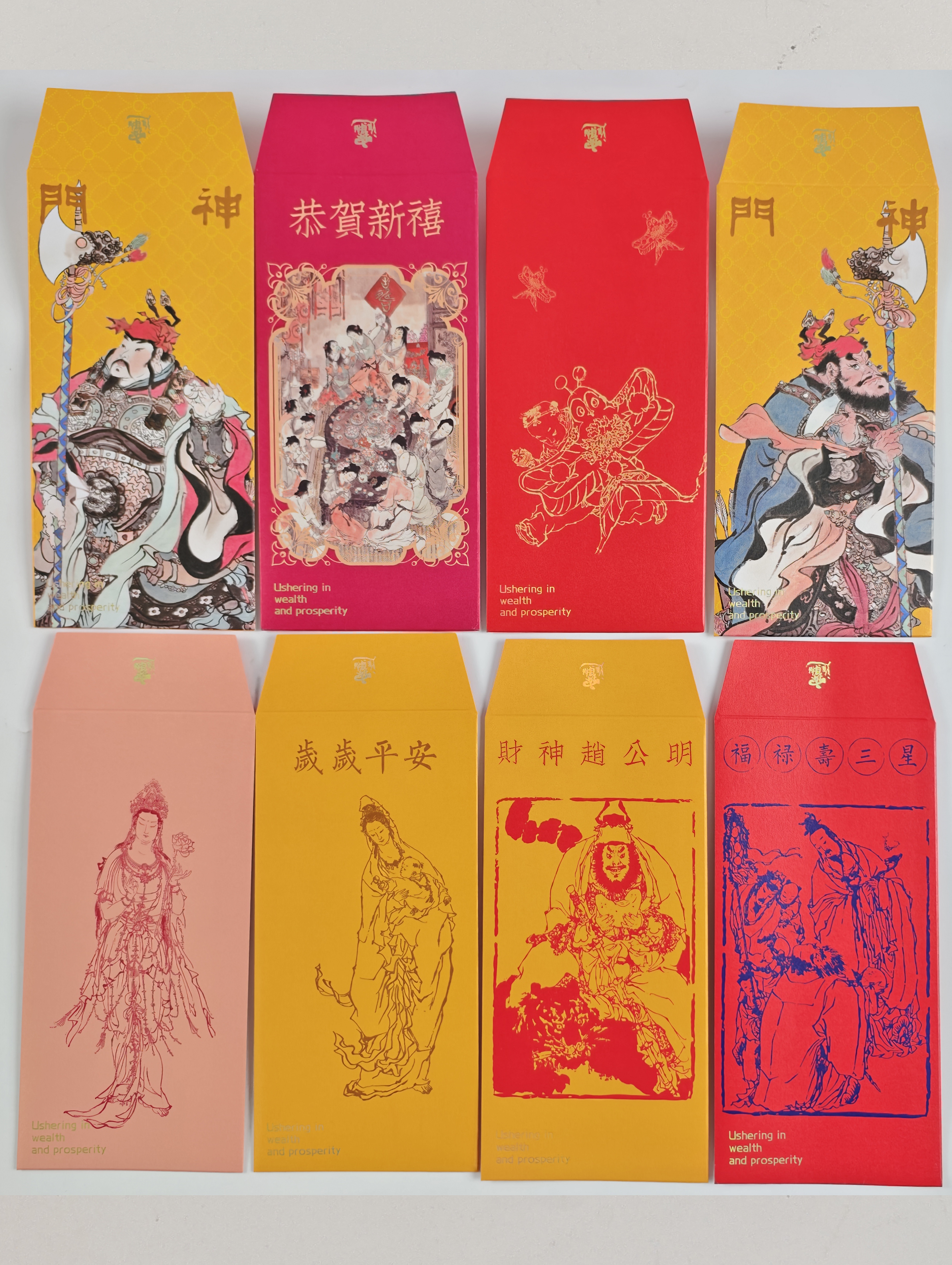
"This is our second appearance at the Beijing Book Fair's cultural and creative exhibition area, and our booth area has doubled compared to last year," said Zhou Tao, head of the cultural and creative department of Tianjin Yangliuqing Painting and Calligraphy Society. Yangliuqing Painting and Calligraphy Society is a national-level intangible cultural heritage unit and a time-honored brand. Besides its publishing function, it also carries the mission of protecting and disseminating traditional cultural and intangible cultural heritage skills. Cultural and creative products can allow more young people to experience and appreciate the cultural charm of Chinese intangible cultural heritage art, thereby gaining a deeper understanding and appreciation of traditional culture and intangible cultural heritage skills, and integrating intangible cultural heritage art into their lives. This is the original intention behind the establishment of the society's cultural and creative department. Zhou Tao also stated that in 2026, the company aims to achieve a year-on-year sales growth of over 30% and successfully implement at least two large-scale strategic cooperation projects, forming a replicable business model.
Regarding the issue of "core business," different voices exist across industries involving cultural products and services. Cultural and creative products and books are essentially carriers of cultural heritage, information transmission, and the expression of viewpoints. However, from an operational perspective, they belong to different product design, production, and sales processes. Publishers will inevitably face more new challenges brought about by industry integration during this transformation.

People's Posts and Telecommunications Press has developed a series of cultural and creative products based on the book "The Five Treasures of Dinosaurs Arrive—The Amazing Discovery of Dinosaurs in China." At the end of 2025, they will launch the AI intelligent doll, Little Raptor.
Xinhua Publishing House, in just over a year of entering the cultural and creative field, has launched over 100 "Xinhua News Agency Cultural and Creative" products, with profits exceeding one million yuan in its cultural and creative sector. It has also established cultural and creative experience stores in Beijing and Shanghai. Leveraging Xinhua News Agency's powerful reach and influence, the publishing house quickly launched the "Victory is Certain!" series of postcards following the September 3rd military parade, with 100,000 sets selling out immediately. Shen Jian, a member of the Party Committee, Vice President, and Director of Xinhua Publishing House, stated that in promoting its cultural and creative business, the team deeply understood the differences between cultural and creative products and book publishing: books rely on a mature distribution system, allowing for precise reach to specific reader groups, while cultural and creative products need to directly face the market. From research and design to final implementation, every step must be scrutinized and tested by the market. Consumers' actual needs for product functionality, their acceptance of aesthetic styles, their sensitivity to price ranges, and even their feedback in different consumption scenarios are all key standards for measuring the value of cultural and creative products. Only by proactively embracing the market and optimizing products based on market demand can culturally rich products truly gain consumer recognition and achieve a win-win situation for cultural dissemination and market benefits.
## Cultivating Relevance and Deepening Understanding
## Readers Buy Products That Touch the Heart
Through years of practice and exploration, in today's increasingly competitive cultural and creative market, blindly following trends and developing homogeneous products is no longer sustainable. Consumers are more willing to cultivate and purchase products that are "useful, interesting, and relatable." More and more publishers realize that to overcome the homogenization problem, they need to firmly return to the original intention of content creation, abandon the short-sighted mentality of following trends, and combine the IP's connotation with their own expertise, consumer needs, and contemporary aesthetics to ensure the vitality of cultural and creative products.

At this year's order fair, Jilin Science and Technology Press's latest original IP, the medicine boy character "Yao Buran," made its debut. According to Mu Simeng, director of the press's cultural and creative department, traditional Chinese medicine culture has always been a key focus of the press's books. This new IP is a new attempt to leverage the press's strengths, using a cute and endearing medicine boy character to soften the seriousness of traditional medical books. The plush "medicine pot" from the brand "Yao Buran" features the phrase "Guo Ran Ru Shi" (meaning "The pot is so pot"), a reference to the contemporary youth's tendency to take the blame. The plush "needle" is printed with "Zhen Bu Chuo A" (meaning "The needle won't poke you"), playfully interpreting acupuncture while subtly implying the removal of worries. This attempt received a positive response; "Yao Buran" garnered attention from readers and industry peers upon its release.

At this book fair, People's Medical Publishing House, a medical publishing house, showcased its "Brain Bag," a creative product that struck the reporter as both quirky and distinctly "People's Medical Publishing House style." This knitted pixelated brain-shaped phone bag uses a brain motif to echo the publishing house's medical expertise, integrating medical elements into everyday consumer goods. According to Jiang Hong, general manager of People's Medical Publishing House's subsidiary, People's Medical Culture Communication Co., Ltd., the product was initially launched as an exploratory venture, but the market response was unexpected, appealing to various age groups. At the offline exhibition, many attendees jokingly told their friends, "I'll buy you a brain," further enhancing the product's social appeal. The popularity of this phone case has shown the publishing house the enormous market potential of combining professional expertise with everyday life.

Meng Jianyi, Deputy Director of the Marketing Department of Northern Women and Children's Publishing House, told reporters that at the Beijing Book Fair's cross-border cultural and creative products exhibition area for the first time, the publishing house's "Dongdongxiang" cultural and creative brand brought over 80 exquisite cultural and creative products, such as the "China Treasure Hunt Adventure: Exploring Intangible Cultural Heritage Series" specially designed for teenagers. This series covers a variety of categories including multi-color stamps, refrigerator magnets, transparent cards, lacquerware products, and stationery. This series transforms abstract intangible cultural heritage into tangible cultural and creative products, reducing the difficulty for teenagers to learn about intangible cultural heritage and helping children understand and appreciate excellent traditional Chinese culture.

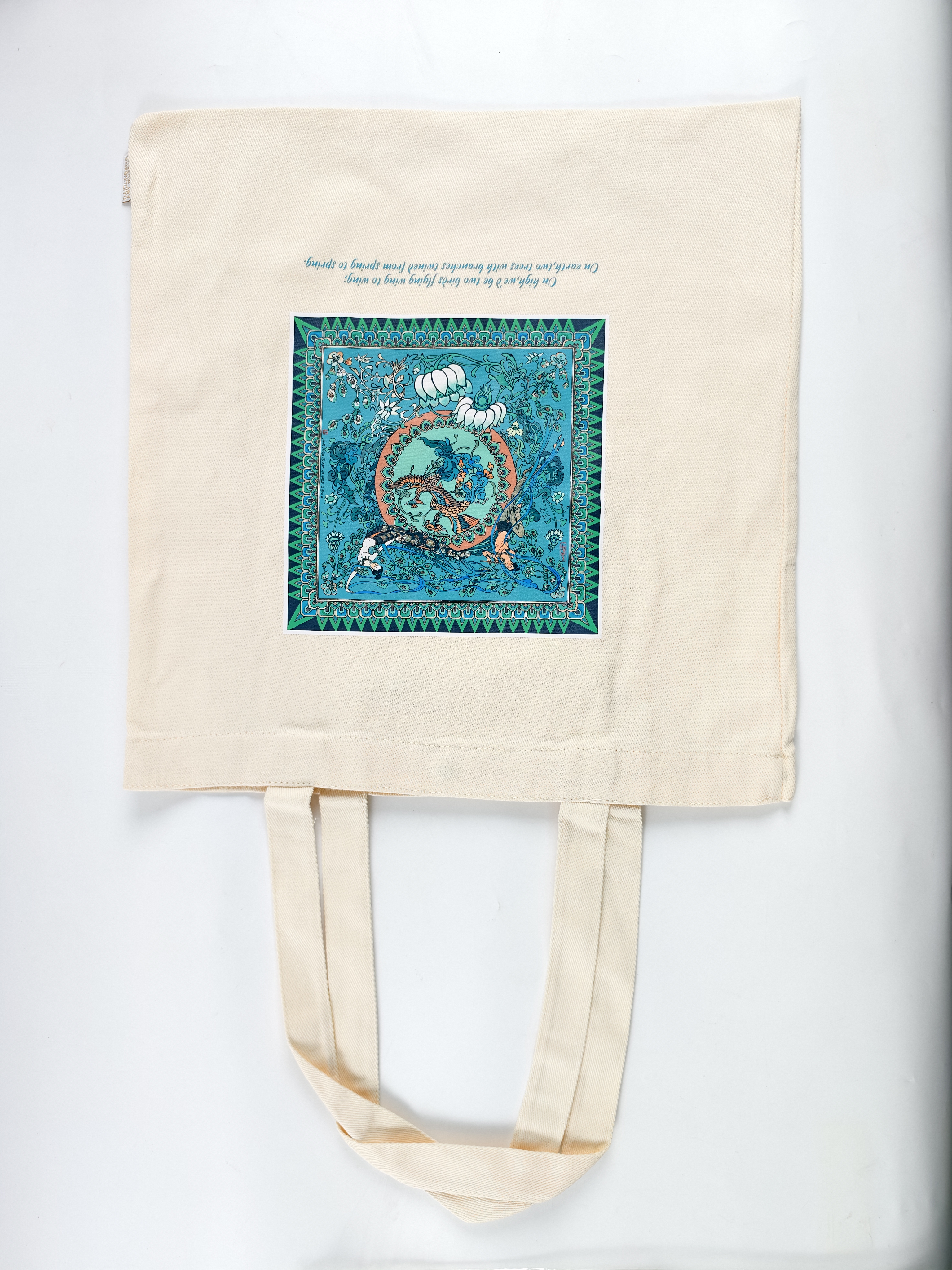
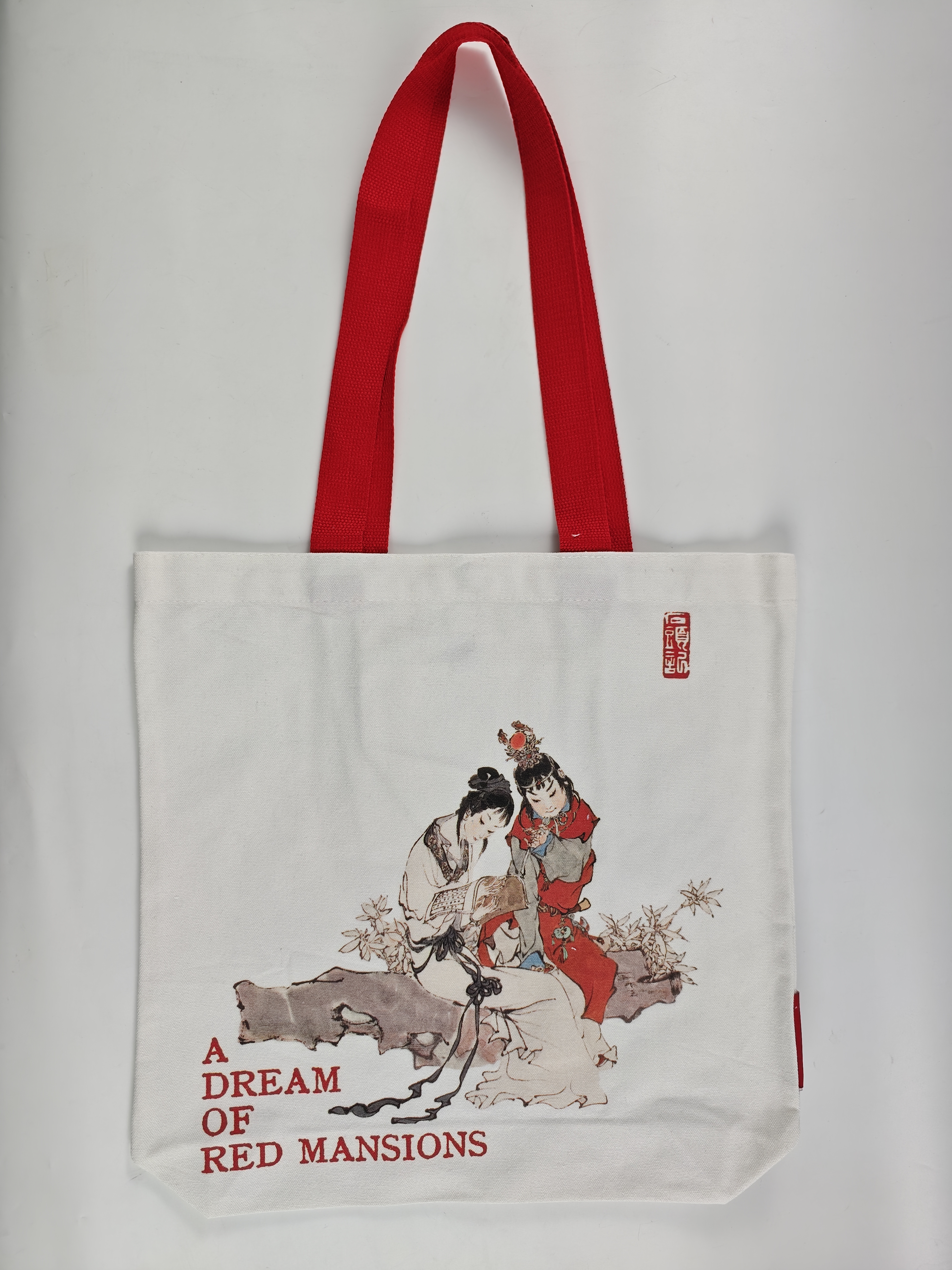
Xinhua Publishing House launched the "Xinhua News Agency Knowledge Companion" series of gift boxes, including two designs, "Victory" and "Rising Step by Step." In addition to cultural and creative products, the gift boxes also include a Xinhua Cloud Book World reading card. Readers can scan the code to obtain digital access to the *People's Republic of China Yearbook* and over 1,000 selected books from the Xinhua series. Foreign Languages Press showcased version 3.0 of its Dai Dunbang illustrated "Dream of the Red Chamber" folding lamp series. This product has been well-received by readers both domestically and internationally at book fairs and cultural events, with sales already exceeding 3,000 units. Tianjin Yangliuqing Painting Society displayed a media kit for the Shanghai Cooperation Organisation Tianjin Summit. The product, while meeting the needs of this major diplomatic event, cleverly integrated and showcased Tianjin's urban image and intangible cultural heritage, making a striking impression.

Southern Song Study from Hangzhou presented its "Southern Song Pattern Series."

## Planning and Outlook
## Publishing and Cultural Creativity Are Riding the Wave
At this year's Beijing Book Fair, Foreign Languages Press, as the secretariat unit of the Publishing and Cultural Creativity Working Committee of the China Publishers Association, not only participated in the exhibition but also, under the guidance of the Working Committee, organized member units to carry out activities such as the "Telling China's Story" exhibition of outstanding publishing and cultural creativity products and the "Publishing and Cultural Creativity Working Committee Industry Achievements Release." Zhang Ruokai stated that in 2026, Foreign Languages Press will focus on its cultural and creative business planning, concentrating on core businesses, expanding new business channels, paying more attention to the operation and commercial development of IP copyrights, and building corresponding sales scenarios. Simultaneously, it will fulfill its responsibilities under the Publishing and Cultural Creativity Committee, serving the industry effectively.
In 2025, Xinhua Publishing House completed key layouts in core cities. The "Tianan·Xinhua Reading Space" in Beijing's Tiananmen area was established, and "New Dimension NEWS," the first Xinhua News Agency cultural and creative immersive experience store in Shanghai's Xuhui District, officially opened, initiating an exploration of the deep integration of cultural symbols and consumer experiences. Shen Jian stated that in 2026, Xinhua Publishing House will focus on the core expression of "making culture collectible and knowledge commemorative," and fully promote the substantive implementation of the "Beijing-Shanghai Twin-City Strategy." At the same time, it will focus on key periods such as major historical anniversaries, traditional festivals, and peak seasons for cultural and tourism consumption, prioritizing the development of core categories such as cultural tourism and creative products, and Long March-themed cultural and creative products.
“Whether it’s cultural tourism integration or TCM-based cultural and creative products, we need to balance the relationship between short-term returns and long-term accumulation. To this end, we will gradually transform the brand into a symbol and label through solid offline and online operations, while simultaneously promoting original design and secondary creation, enriching the product matrix, and achieving rapid expansion,” said Mu Simeng.
 Hot News
2026-03-17
2026-02-02
2026-01-09

Fujian Xinhua Impression Culture & Technology Co., Ltd. is born from the legacy of Straits Publishing House and Xinhua Printing, carrying forward a deep foundation in culture while embracing the creative language of the contemporary world.