EN
EN

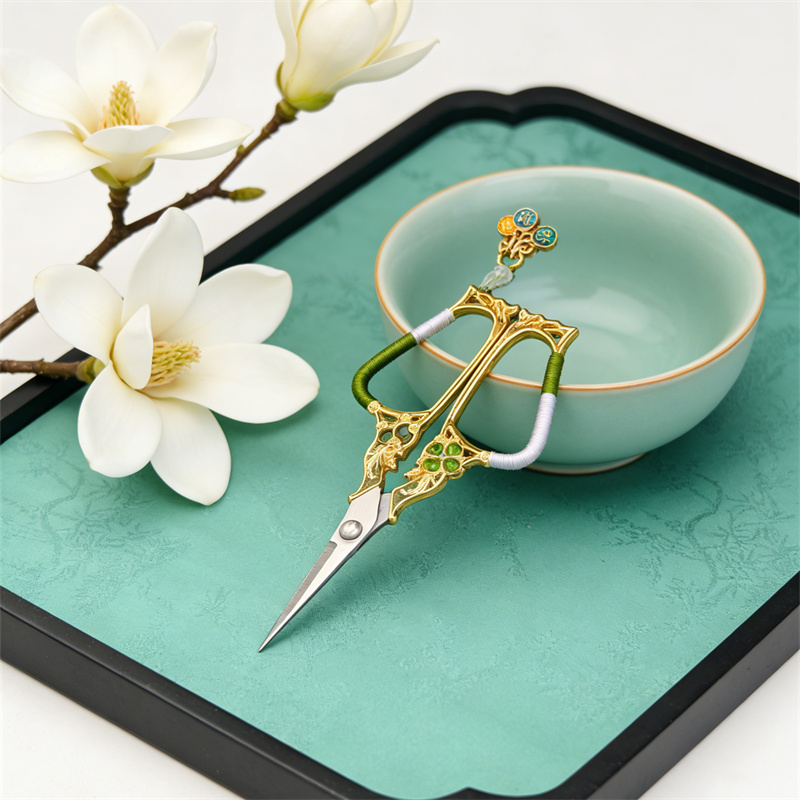
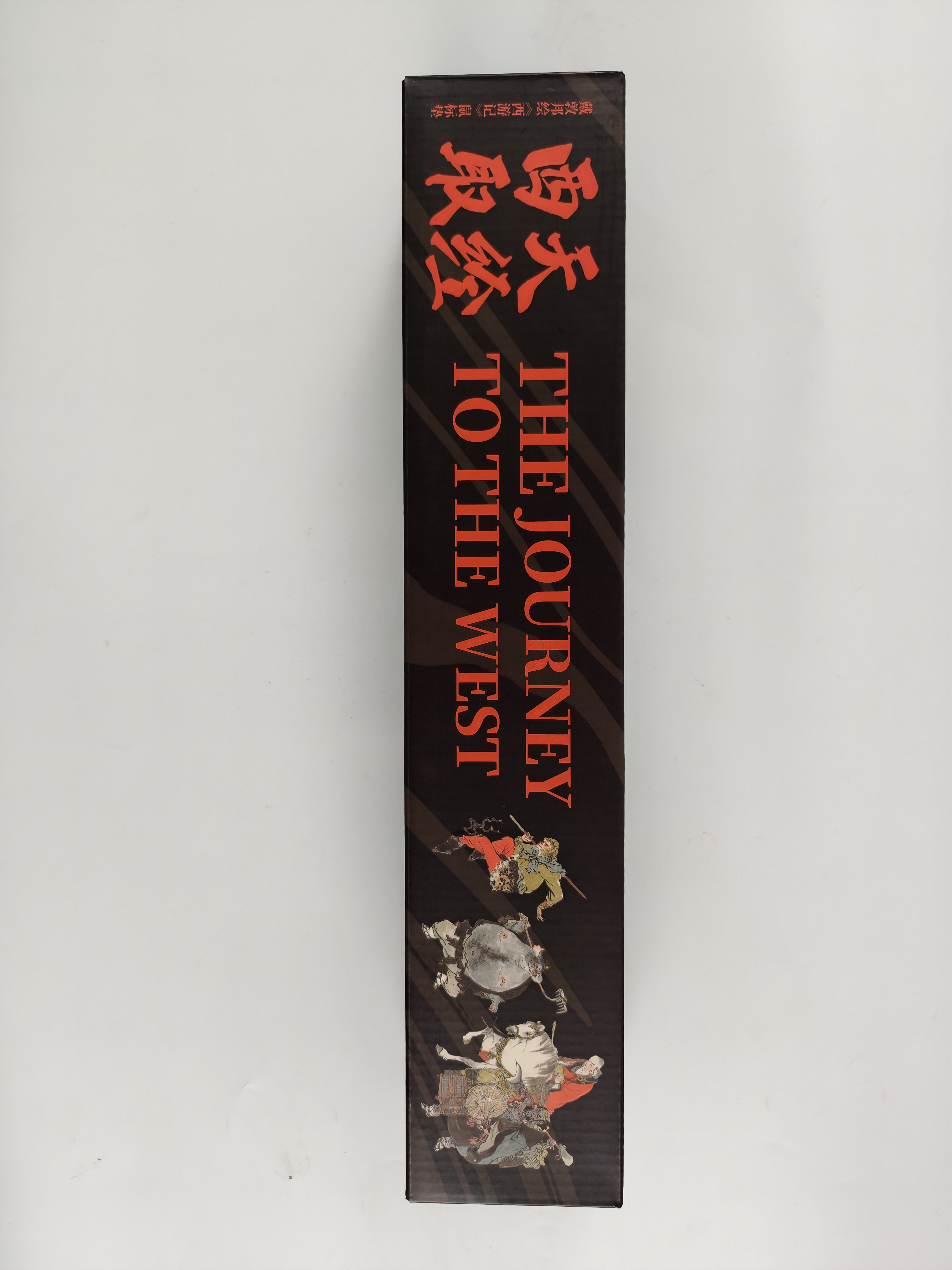
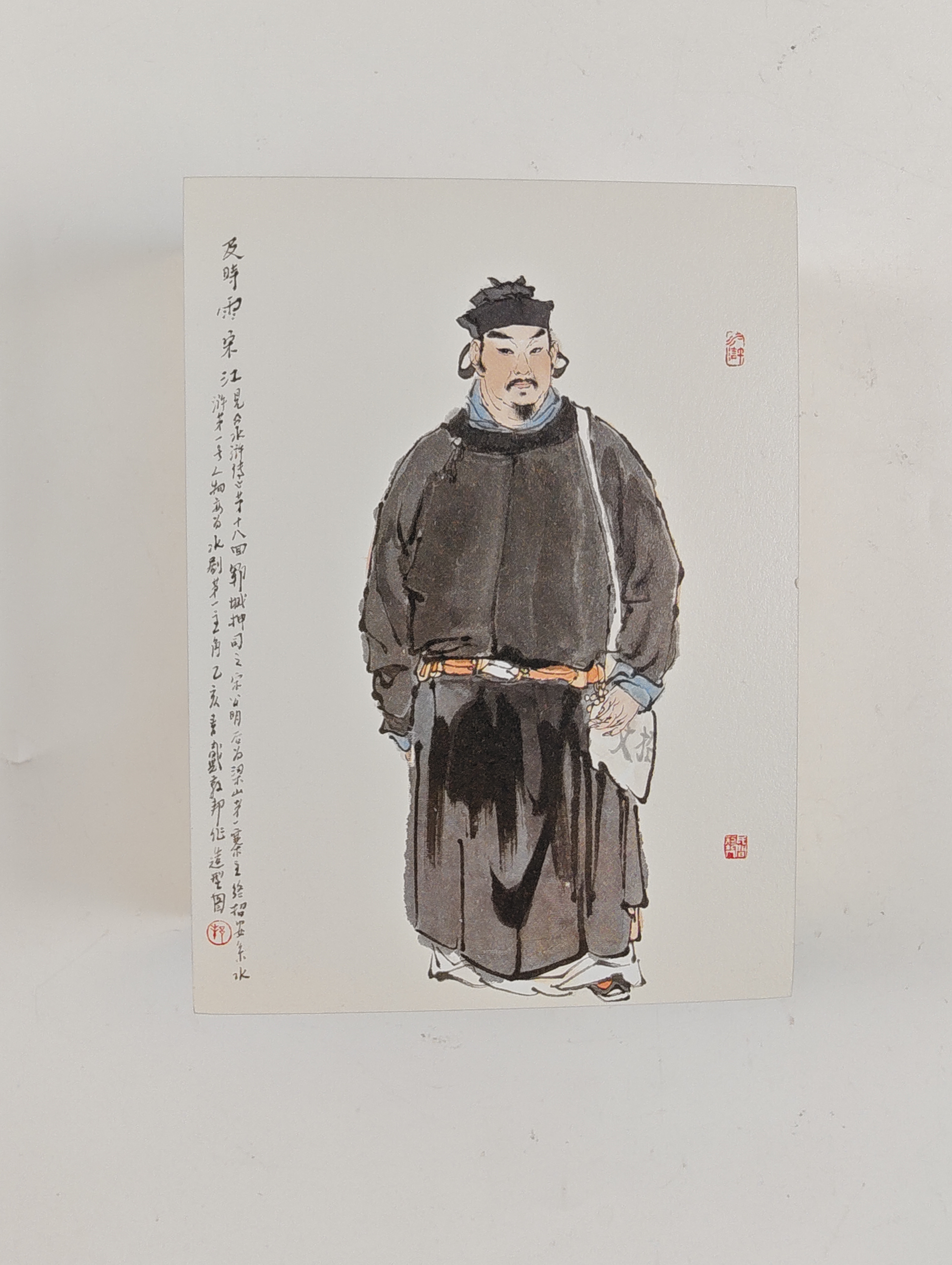
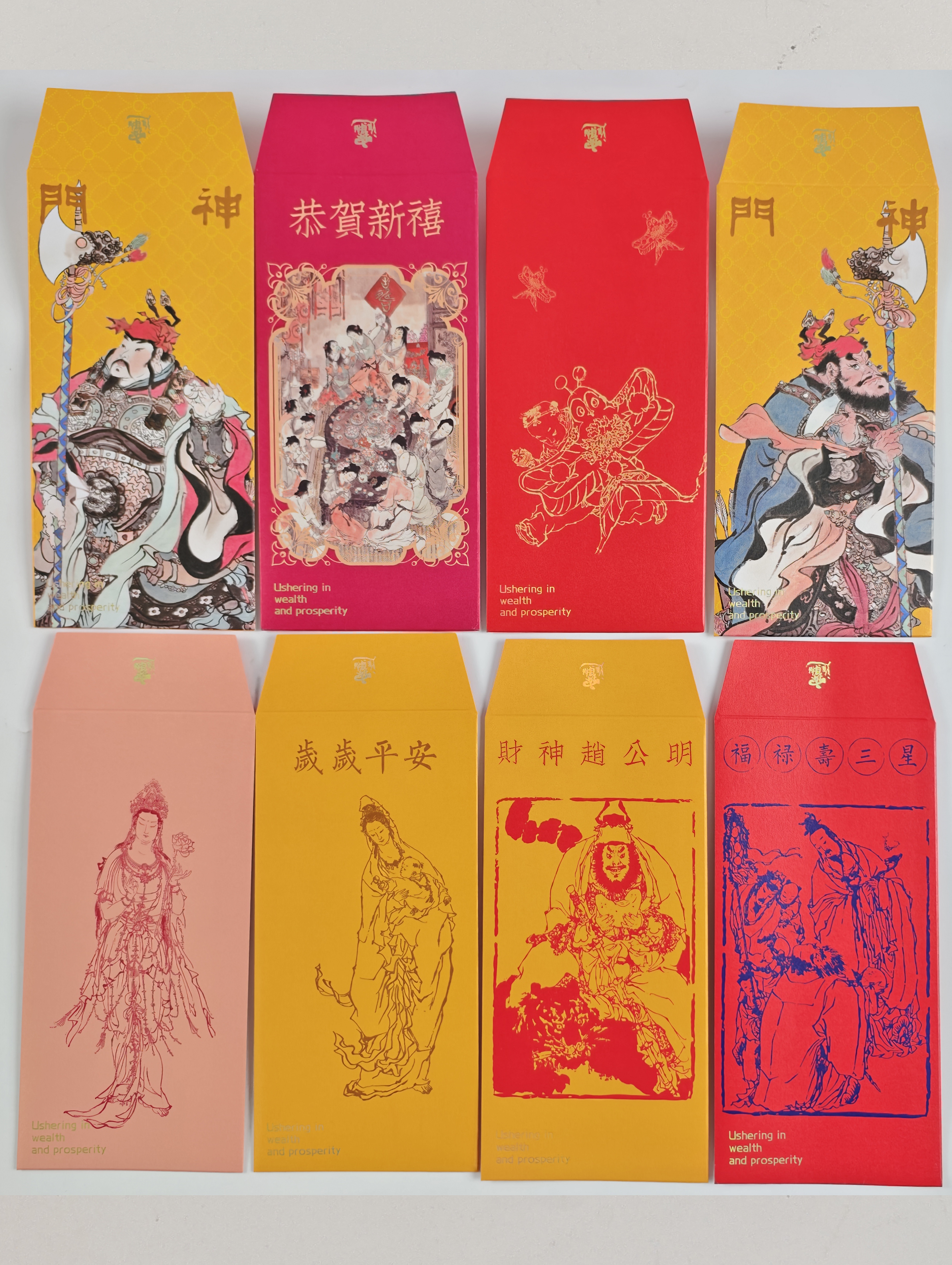
Yakın zamanda sona eren 2026 Londra Kitap Fuarı’nda, Doğu’dan gelen sıcak bir akım sessizce yayıldı. Çin Yayıncılar Birliği Yayın ve Kültürel Yaratıcılık Çalışma Komitesi (buradan sonra Yayın ve Kültürel Yaratıcılık Komitesi olarak anılacaktır), Londra Kitap Fuarı’nda ilk kez yer alarak, "Çin Yayın ve Kültürel Yaratıcılık Ürünleri" teması çerçevesinde 60’tan fazla yerel yayıneviyle el ele vererek 1.000’den fazla zarif kültürel ve yaratıcı ürün sergiledi. Bu ürünler, klasik kültürel IP’lerden Doğu estetiğini yansıtan eşyalara, geleneksel desenlerden modern tasarımlara kadar uzanmakta; kültürel mirası günlük yaşamla harmanlayarak uluslararası sergi katılımcıları, okuyucular ve yayıncılık sektörü meslektaşları tarafından geniş çapta ilgi gördü. "Çin Yayın ve Kültürel Yaratıcılık Ürünleri" standı, uluslararası okuyucuların dikkatini çekti. Kitap fuarının kapanışında Çin Yayıncılar Birliği Yayın ve Kültürel Yaratıcılık Komitesi Başkan Yardımcısı ve Yabancı Diller Basımevi İş Geliştirme Departmanı Müdürü Zhang Ruokai, bu muhabire özel bir röportaj vererek katılımın öne çıkan yönlerini, yurt dışı tepkilerini, iş birliği başarılarını ve gelecek planlarını değerlendirdi.


S: Bu, Yayın ve Kültürel Yaratıcılık Komitesi'nin Londra Kitap Fuarı'ndaki ilk katılımıydı. Bu "debut" için hangi hazırlıkları yaptık?
Zhang Ruokai: Bu, Londra Kitap Fuarı'nda ilk kez yer alacağımız bir etkinlik olsa da, sıfırdan başlamıyoruz. Yayın ve Kültürel Yaratıcılık Komitesi kurulduğu günden beri, kültürel ve yaratıcı ürünler aracılığıyla Çin’in hikâyesini anlatma misyonuna bağlı kalmıştır. "Bir Kuşak Bir Yol" (Belt and Road) Masa Başı Tartışmaları ve Pekin Kitap Fuarı gibi ulusal etkinliklerde bu alanda ilgili deneyimler kazanmış bulunuyoruz. Bu sefer, üye birimlerin önerileri ve uzman seçimi mekanizmasıyla Yayın ve Kültürel Yaratıcılık Komitesi’ne bağlı 100’den fazla üye birimi harekete geçirdik ve bunlar, üstün Çin kültürüne ait en temsilci kültürel ve yaratıcı ürünlerini bir araya getirdiler. Sergilenen ürünlerin hem Çin kültürel özelliklerini yansıtmaları hem de küresel bir bakış açısına sahip olmaları gerekmekteydi. Ayrıca, "Bulut İpek Yolu" Yayın ve Kültürel Yaratıcılık Yurtdışı Kapsamlı Hizmet Platformu’nun ön hazırlık çalışmalarını da yürütmekteyiz. Platformun yurtdışı hizmet kapasitesinden yararlanarak sergi ürünlerini sınır ötesi düzeyde tanıtacağız; böylece fiziksel serginin çevrimiçi bir temelini sağlamış olacak, aynı zamanda yurtdışındaki fiziksel kitapçılarda uygulama yollarını da araştıracak duruma geleceğiz. "Çin Yayın ve Kültürel Yaratıcılık Ürünleri" bölümü, Çin Dilleri Yabancı Diller Yayın Müdürlüğü ile Çin Yayıncılar Birliği Yayın ve Kültürel Yaratıcılık Komitesi’nin bir marka projesi haline gelecek; sürekli geliştirilip geliştirilerek, yayın ve kültürel yaratıcılık sektörünün gücünü birleştirerek uluslararası kitap fuarları ve kültürel alışveriş etkinliklerinin sunduğu fırsatları değerlendirecek ve uluslararası iletişim platformu olarak kendine özgü bir rol üstlenecektir.
S: Geri bildirim nasıl oldu? Yurt dışından okuyucular ve sergi katılımcıları hangi ürün türlerini tercih etti?
Zhang Ruokai: Geri bildirim çok olumlu oldu; merkezileştirilmiş sergi kesinlikle çok sayıda kişiye çekim gücü kazandırdı. Yurt dışından gelen okuyucular ve sergi katılımcıları, "klasiklerden türeyen ve günlük yaşama entegre edilen" ürünleri tercih ettiler; bu ürünler genel olarak iki kategoriye ayrıldı: Birinci kategori, Çin'in klasik geleneksel kültürel öğelerini yansıtan kültürel yaratıcı ürünlerden oluşuyordu. Bu ürünler arasında, eski Çin mitolojisi karakterlerine, Dört Büyük Klasik Roman'a (Sun Wukong, Liangshan kahramanları ve Jinling'in On İki Güzeli) dayalı ürünler, ayrıca Çin calligrafisi ve resim sanatı ürünleri yer alıyordu. Bu ürünler, yurt dışındaki okuyucuların zaten sahip oldukları kültürel geçmişleriyle uyum sağladığı için onlarda büyük ilgi uyandırdı. Okuyucuların beğendiği karakterleri ve sahneleri sergileyerek Çin kültürü ile hedef kitapları arasındaki mesafeyi köprüledi. İkinci kategori ise, Doğu estetiğinin özünü yansıtan pratik kültürel yaratıcı ürünlerden oluşuyordu. Örnek olarak müze eserlerinden alınan öğelerle tasarlanmış saç aksesuarları, *Kırmızı Köşk Rüyası* sahnelerini canlandıran kitap lambaları, Dunhuang duvar resimlerinden alınan öğelerle süslenmiş dokuz renkli geyik şalları ve pandaların süt çayı içerek kitap okuduğu figürlerinden oluşan peluş takılar verilebilir. Bu ürünler, Çin'in geleneksel estetiğinin modern canlılığını ince bir şekilde göstererek Çin'e yaklaşılabilir ve tanıdık bir imaj kazandırdı.
S: Olumlu incelemeler almanın yanı sıra, önemli iş birliği niyetleri sağlanmış mı?
Zhang Ruokai: Evet. Yurt dışından bağımsız kitapçılar ve yayınevlerinden gelen personel, kültürel ve yaratıcı ürünlerimiz için zaten sipariş verdi, özelleştirilmiş üretim için bize görev verdi ve hatta bu kültürel ve yaratıcı ürünlerimiz aracılığıyla telif haklarını ithal etme konusunda iş birliği amaçları belirtti. Söz konusu kültürel ve yaratıcı ürünlerin, kitap telif haklarında da karşılıklı güçlendirme sağladığı söylenebilir. Ancak kültürel ve yaratıcı ürün yayınlarımızın uluslararasılaşması ve profesyonelleşmesi açısından hâlâ sürekli iyileştirme yapmamız gerekmektedir. Yabancı müşteriler, yenilikçi kültürel ve yaratıcı ürünlerimizden etkilenmekle birlikte aynı zamanda oldukça profesyonel ve "seçici"dirler. Ürünlerin işçiliği ve kullanılan malzemeler konusunda yüksek standartlar beklerler. Şu anda ürün kataloglarımız, sipariş modellerimiz ve ürün ambalajlarındaki ürün işçiliği, boyutlar, malzemeler ve standartlar gibi temel bilgilerin yabancı dilde açıklamaları yeterince standartlaştırılmamıştır; ayrıca mekânsal sergileme ve sergi etkileri açısından da önemli ölçüde gelişme potansiyeli bulunmaktadır.
S: Geçmişte Londra Kitap Fuarı, daha çok telif hakkı ticaretine odaklanmıştı. Bu sefer "kültürel ve yaratıcı ürünler"i büyük ölçekte ön plana çıkardık. Bunun arkasındaki düşünceler nelerdir?
Zhang Ruokai: Bu yılın hükümet iş raporu, "daha fazla kültürel işletme ve üstün kültürel ürünün küresel pazara açılmasına teşvik edilmesi" gerektiğini açıkça belirtti. Yılın ilk büyük uluslararası kitap fuarı olan Londra Kitap Fuarı, yalnızca telif hakları işlemlerinin yapıldığı bir alan ve yayıncılık sektörünün trend belirleyicisi değil, aynı zamanda kültürel ve yaratıcı alışverişin de öncü sahasıdır. Geleneksel "metinsel çıktı", klasik eserlere ve çeviri ile okuma alışkanlıklarının aşılması üzerine kuruludur; bu nedenle giriş engeli yüksektir. Buna karşılık "kültürel ve estetik çıktı", bir "yumuşak iniş"tir. Kültürel ve yaratıcı ürünler, kültürün yoğunlaşmış bir ifadesidir; bunlar görsel, dokunsal ve günlük yaşam biçimleriyle doğrudan yurt dışındaki tüketici hayatlarına girer. Bizim "yayıncılık kültürel ve yaratıcı ürünlerinin" büyük çapta yurt dışına açılmasını teşvik etmemizin amacı, "somut Çin hikâyelerinin" yayılmasını sağlayan bir sistem inşa etmektir; böylece yurt dışındaki izleyiciler önce bir nesneye hayran kalır, ardından bu nesnenin arkasındaki edebiyat ve düşünce dünyasını keşfetmeye ilgi duymaya başlar ve bu sayede "anlama"dan "yakınlık"a doğru duygusal bir yücelme gerçekleşir.
S: Kitaplara kıyasla kültürel ve yaratıcı ürünlerin Çin hikâyelerini etkili bir şekilde anlatmasında hangi benzersiz avantajları vardır?
Zhang Ruokai: En büyük avantaj, "düşük bağlamlı iletişim ve yüksek duygusal bağlantı"dır. Kitaplar dil gerektirirken, kültürel ve yaratıcı ürünlerin kendisi aracıdır. Örneğin, kabartma yazıyla süslenmiş dönen buzdolabı mıknatısları ya da bu sefer getirdiğimiz Lu Xun peluş oyuncakları, Çince bilmeseler bile insanların Çin kültürel sembollerini hemen algılamasını sağlar. İkinci olarak, günlük yaşamda eşlik etme unsuru vardır. Bir kitap okunduktan sonra rafa geri konulabilir; ancak bir ipek eşarp ya da bir yer işareti her gün kullanılır. Bu sık tekrarlanan eşlik sayesinde Çin kültürel sembolleri, insanlar için fark edilmeden günlük yaşamın içine yerleşir. Elbette bununla birlikte, kültürel ve yaratıcı ürünlerin geliştirme ve tasarım süreçlerinin başından itibaren uluslararası temaları göz önünde bulundurması gerektiğini de fark ediyoruz. Birçok kültürel ve yaratıcı ürünün arkasında, "meme"leri ve "hikâye unsurları"nın derin kültürel anlamları vardır; eğer tasarım aşamasında uluslararasılaşma göz önünde bulundurulmazsa, yurt dışındaki okuyucuların bunları anlaması zorlaşır.
S: Bu yoğun sergilemeden sonra Yayın ve Kültürel Yaratıcılık Çalışma Komitesi, bu sefer kazanılan deneyimleri ve biriken kaynakları nasıl kullanarak "yüksek kaliteli Çin yayıncılığı ve kültürel yaratıcı ürünleri"nin sürekli ve düzenli olarak uluslararası ana akım pazarlara girmesini sağlayacak uzun vadeli bir mekanizma kuracaktır?
Zhang Ruokai: Bu Londra Kitap Fuarı bir son değil, bir başlangıç. Bu sefer edindiğimiz pratik deneyimi ve yurtdışı kanal kaynaklarını kullanarak, yıl başında başlattığımız "Bulut İpek Yolu" yayıncılık ve kültürel yaratıcı ihracat kapsamlı hizmet platformuna dayalı uzun vadeli bir mekanizma kurmaya odaklanacağız. Bu, yayıncılık ve kültürel yaratıcı ürünlere odaklanan, sınır ötesi e-ticaret bağımsız bir web sitesi ve bağlantı platformudur. Gelecekte, kültürel ve yaratıcı ürünler için uygun bir kapalı döngü modeli keşfetmeyi planlıyoruz: "çevrimdışı sergileme, çevrimiçi işlem; kısa süreli sergileme, uzun süreli işletme." Kitap fuarında "iyi ürünler" gören yurtdışı katılımcılar ve okuyucular, "Bulut İpek Yolu" platformu üzerinden sürekli sipariş verebilir, ürünleri yurtdışı kitapçılara teslim edebilir ve lisans iş birlikleri konusunda görüşmeler yapabilirler. Aynı zamanda, kültürel ve yaratıcı ürün geliştirme ve tasarımımızı bilgilendirmek için yurtdışı okuyuculardan geri bildirim toplayacağız; bu sayede uluslararası pazarın ihtiyaçlarını daha iyi karşılayan "iyi Çin ürünleri" yaratabilecek ve Çin kültürel fikri mülkiyetinin normalleştirilmiş ve sürdürülebilir yurtdışı genişlemesini gerçekten gerçekleştirebileceğiz.
 Son Haberler
2026-03-17
2026-02-02
2026-01-09

Fujian Xinhua Impression Culture & Technology Co., Ltd. is born from the legacy of Straits Publishing House and Xinhua Printing, carrying forward a deep foundation in culture while embracing the creative language of the contemporary world.